




Dishwashing Blocks Industry Knowledge
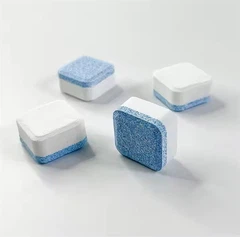
Dishwashing blocks are innovative cleaning solutions designed to enhance kitchen hygiene with efficiency and convenience. Their primary focus is long-lasting cleaning performance, achieved through slow-dissolving formulations that release active agents over multiple cycles, effectively tackling grease and food residue. Multifunctionality is a key feature, with many blocks offering antibacterial properties, odor neutralization, and shine restoration, serving as a versatile alternative to liquid dish soaps. Environmental sustainability drives their development, using biodegradable ingredients to reduce water pollution and chemical waste. User experience is prioritized, with gentle, pleasant scents and easy-to-use formats ensuring a seamless dishwashing process.
<BR />
What Ingredients in Dishwashing Blocks Effectively Remove Grease? Is Adding More of These Ingredients Always Better?
Effective grease removal in dishwashing blocks relies on specific ingredients. Surfactants, such as sodium lauryl sulfate or plant-based alternatives like decyl glucoside, break down oils and fats by reducing surface tension, lifting grease from dishes. Enzymes, like protease and amylase, target protein-based and starchy residues, enhancing grease dissolution. Citric acid or sodium percarbonate acts as a natural degreaser, breaking down tough, baked-on fats while adding mild abrasion. These components work synergistically to ensure thorough cleaning.
However, adding more of these ingredients isn't always better. Excessive surfactants can cause over-foaming, complicating rinsing and potentially irritating skin. Overloading enzymes may lead to incomplete activation, reducing effectiveness, as they require specific conditions (e.g., temperature, pH) to function optimally. Too much citric acid or sodium percarbonate can corrode delicate surfaces like glassware or increase water alkalinity, harming the environment. Optimal formulation balances these ingredients-typically 10-20% surfactants, 2-5% enzymes, and 5-10% citric acid-ensuring efficiency without waste or damage. Overuse also raises production costs and may violate eco-friendly standards, as excess chemicals can persist in wastewater.
In conclusion, surfactants, enzymes, and citric acid are key to grease removal, but their quantities must be carefully calibrated for safety, efficacy, and sustainability.