

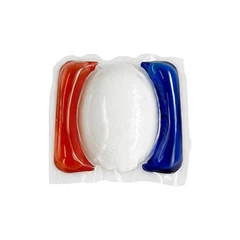


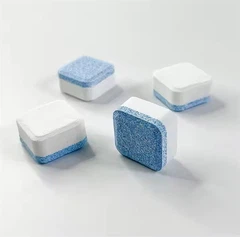

Hey there, coffee lovers! As a supplier of Coffee Machine Tablets, I often get asked about the recommended dosage of these little cleaning wonders. So, I thought I'd take the time to break it down for you in this blog post.


First things first, let's talk about why coffee machine tablets are so important. Over time, coffee machines can build up a lot of residue, including coffee oils, minerals from the water, and other gunk. This not only affects the taste of your coffee but can also slow down your machine and even cause it to break down prematurely. That's where our Tablets for Coffee Machines come in. They're designed to dissolve all that buildup and leave your machine clean and running smoothly.
Now, onto the big question: what's the recommended dosage? Well, it really depends on a few factors, such as the type of coffee machine you have, how often you use it, and the hardness of your water.
For home coffee machines
If you're using a home coffee machine, like a single - serve pod machine or a drip coffee maker, most of the time, one tablet per cleaning cycle is sufficient. These machines usually have smaller internal components, so they don't accumulate as much residue as commercial machines.
For example, if you use your single - serve pod machine every day, it's a good idea to run a cleaning cycle with one of our Deep Clean Coffee Machine Tablets once a week. Just follow these simple steps:
- Fill the water reservoir with the recommended amount of water (usually the maximum capacity).
- Drop one tablet into the water reservoir.
- Start the brewing cycle without inserting a coffee pod or grounds. Let the machine run through the entire cycle.
- Once the cycle is complete, empty the water reservoir and rinse it thoroughly. Then, run a few cycles of plain water through the machine to flush out any remaining tablet residue.
If you have a drip coffee maker, the process is very similar. Again, use one tablet per cleaning cycle. You might want to do this every two weeks if you use the machine daily. The tablet will help remove the coffee oils that can build up in the filter basket, carafe, and the internal pipes.
For commercial coffee machines
Commercial coffee machines are a different story. These machines are used much more frequently and often have larger internal components, so they require more intensive cleaning.
If you have a small commercial coffee machine, like the ones you might find in a small café or office break room, you'll probably need to use two tablets per cleaning cycle. These machines are typically used several times a day, so they accumulate residue faster. It's recommended to clean these machines at least once a week.
For larger commercial espresso machines, which are used in busy coffee shops, you may need to use three or more tablets per cleaning cycle. These machines are constantly in use, and the high - pressure brewing process can cause a significant amount of coffee oil and mineral buildup. A deep clean with our Powerful Coffee Machine Cleaner should be done at least once every two weeks.
Here's a general guide for commercial machine cleaning:
- Turn off the machine and let it cool down completely.
- Empty the water reservoir and any other removable parts, like the drip tray and group heads.
- Fill the water reservoir with the appropriate amount of water according to the machine's manual.
- Add the recommended number of tablets to the water reservoir.
- Start the cleaning cycle as per the machine's instructions. This may involve running the machine through a special cleaning mode or just a regular brewing cycle.
- After the cycle is complete, disassemble any removable parts and clean them separately with warm, soapy water.
- Rinse the water reservoir and all the parts thoroughly. Then, run several cycles of plain water through the machine to ensure all the tablet residue is removed.
Water hardness
Another important factor to consider is the hardness of your water. Hard water contains a high concentration of minerals, such as calcium and magnesium. These minerals can cause scale buildup in your coffee machine much faster than soft water.
If you live in an area with hard water, you may need to increase the dosage slightly or clean your machine more frequently. You can test your water hardness using a simple water testing kit, which you can buy at most hardware stores.
If your water is very hard, you might want to add an extra tablet to the cleaning cycle, even for home machines. And for commercial machines, you may need to double the recommended number of tablets or clean more often.
Special cases
Sometimes, you might notice that your coffee machine is not working as well as it should, or the coffee doesn't taste right. This could be a sign of a more severe buildup. In these cases, you can do a "shock treatment" by using a higher dosage than normal for one cleaning cycle.
For home machines, you could try using two tablets instead of one. For commercial machines, you can add an extra tablet or two to the usual dosage. Just make sure to follow up with a few cycles of plain water to flush out all the residue.
In conclusion, the recommended dosage of coffee machine tablets varies depending on the type of machine, usage frequency, and water hardness. By following these guidelines, you can keep your coffee machine in top condition and ensure that your coffee always tastes great.
If you're interested in purchasing our high - quality coffee machine tablets, we'd love to hear from you. Whether you're a home coffee enthusiast or a commercial coffee business owner, we have the right products for you. Reach out to us for more information about our products, pricing, and bulk purchasing options. Let's work together to keep your coffee machines clean and your coffee delicious!
References
- Coffee Machine Manufacturer Manuals
- Water Quality Association Guidelines