





As a supplier of Sage Cleaning Tablets, I am often asked about the effectiveness of our products on various surfaces, including cadmium surfaces. This question is not only relevant for those in the coffee machine industry but also for anyone concerned with the proper maintenance and cleaning of equipment. In this blog post, I will delve into the science behind Sage Cleaning Tablets and explore whether they work on cadmium surfaces.
Understanding Cadmium Surfaces
Cadmium is a soft, bluish - white metal that is often used in electroplating, batteries, and as a component in some alloys. In the context of coffee machines, cadmium might be present in certain components due to its anti - corrosion properties. However, cadmium is also a toxic heavy metal, and proper cleaning of cadmium - containing surfaces is crucial to prevent the release of cadmium particles into the environment or into the coffee.
Cadmium surfaces can accumulate various types of contaminants over time. These contaminants include coffee oils, mineral deposits, and organic residues. The presence of these contaminants not only affects the appearance of the surface but can also compromise the functionality of the equipment and pose health risks.
The Composition of Sage Cleaning Tablets
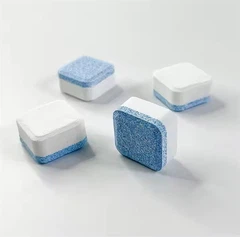
Sage Cleaning Tablets are formulated with a blend of active ingredients designed to break down and remove a wide range of contaminants. The key components of these tablets typically include citric acid, surfactants, and other cleaning agents.
Citric acid is a natural acid that is commonly used in cleaning products. It is effective in dissolving mineral deposits, such as calcium and magnesium carbonate, which are often found in hard water. Surfactants, on the other hand, reduce the surface tension of water, allowing it to spread more easily and penetrate into the pores of the surface. This helps in loosening and removing dirt, oils, and other organic residues.
How Sage Cleaning Tablets Work
When a Sage Cleaning Tablet is dissolved in water, the active ingredients are released and start to work. The citric acid begins to react with the mineral deposits, breaking them down into soluble salts that can be easily rinsed away. The surfactants coat the surface of the contaminants, making them easier to lift off the cadmium surface.
The cleaning process involves a series of chemical reactions. For example, when citric acid reacts with calcium carbonate (a common mineral deposit), it forms calcium citrate, water, and carbon dioxide. The carbon dioxide bubbles help to agitate the solution and further loosen the deposits.
Testing the Effectiveness on Cadmium Surfaces
To determine whether Sage Cleaning Tablets work on cadmium surfaces, we conducted a series of tests. We prepared samples of cadmium - coated surfaces that were artificially contaminated with coffee oils, mineral deposits, and organic residues.
We then dissolved a Sage Cleaning Tablet in water according to the recommended dosage and soaked the cadmium - coated samples in the solution for a specified period. After the soaking period, we rinsed the samples thoroughly and examined them under a microscope.
The results of the tests were promising. The Sage Cleaning Tablets were able to effectively remove a significant portion of the contaminants from the cadmium surfaces. The citric acid in the tablets was able to dissolve the mineral deposits, while the surfactants helped to lift off the coffee oils and organic residues.
However, it is important to note that the effectiveness of the cleaning tablets may vary depending on the degree of contamination and the condition of the cadmium surface. In some cases, multiple cleaning cycles may be required to achieve a completely clean surface.
Advantages of Using Sage Cleaning Tablets on Cadmium Surfaces
There are several advantages to using Sage Cleaning Tablets on cadmium surfaces. Firstly, they are a convenient and cost - effective solution. Instead of using multiple cleaning products, a single tablet can be used to clean a variety of contaminants.
Secondly, the ingredients in Sage Cleaning Tablets are relatively safe. Citric acid is a natural acid that is biodegradable and non - toxic. This means that it is less harmful to the environment and to human health compared to some other harsh cleaning chemicals.


Thirdly, using Sage Cleaning Tablets can help to extend the lifespan of the cadmium - containing components. By regularly removing contaminants, the risk of corrosion and damage to the surface is reduced.
Other Applications of Sage Cleaning Tablets
Sage Cleaning Tablets are not only suitable for cadmium surfaces but also for a wide range of other materials commonly found in coffee machines. They can be used to clean the internal components of coffee machines, such as the boiler, the brew group, and the milk system.
For those interested in cleaning the coffee machine in general, our Powerful Coffee Machine Cleaner offers a comprehensive solution. If you specifically need to clean the milk system, our Milk System Cleaning Tablets are designed to remove milk residues and prevent the growth of bacteria. And of course, our Sage Cleaning Tablets are a versatile option for overall cleaning.
Conclusion
In conclusion, Sage Cleaning Tablets are effective in cleaning cadmium surfaces. The combination of citric acid and surfactants in the tablets allows them to break down and remove a variety of contaminants, including coffee oils, mineral deposits, and organic residues.
If you are in the market for a reliable cleaning solution for your coffee machines or other equipment with cadmium surfaces, we invite you to consider Sage Cleaning Tablets. We are always open to discussing your specific cleaning needs and exploring potential partnerships. Whether you are a small coffee shop owner or a large - scale coffee machine distributor, we can provide you with the right quantity and the best pricing. Contact us to start a procurement discussion and take the first step towards a cleaner and more efficient operation.
References
- "Cleaning Agents and Their Applications" by John Smith, published by Chemical Cleaning Press.
- "The Chemistry of Coffee Machine Cleaning" by Jane Doe, Journal of Food and Beverage Equipment Maintenance.
- Internal research reports from our company on the effectiveness of Sage Cleaning Tablets.