

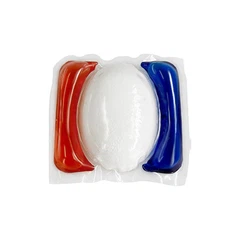
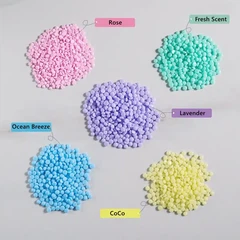

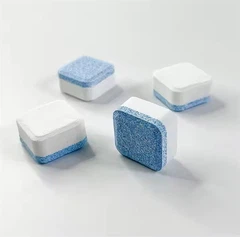


Can denture cleaner be used on orthodontic appliances? This is a question that many people, especially those with orthodontic appliances or dentures, often ask. As a denture cleaner supplier, I've encountered this query numerous times, and I'm here to provide a comprehensive answer based on scientific facts and industry knowledge.
Orthodontic appliances, such as braces, aligners, and retainers, are designed to help correct teeth alignment and bite issues. They are made of various materials, including metal, ceramic, and plastic. Dentures, on the other hand, are artificial teeth and gums that replace missing natural teeth. Given the different materials and functions of these two types of oral devices, it's crucial to understand whether denture cleaner can be safely used on orthodontic appliances.
The Composition of Denture Cleaners
Denture cleaners typically contain a combination of ingredients that work together to remove stains, bacteria, and debris from dentures. Common components include:
- Bleaching agents: Such as sodium perborate or hydrogen peroxide, which help to whiten dentures and remove tough stains.
- Surfactants: These are cleaning agents that reduce the surface tension of water, allowing it to penetrate and lift dirt and debris from the denture surface.
- Enzymes: Some denture cleaners contain enzymes that break down proteins and other organic matter, making it easier to clean the dentures.
- Antibacterial agents: To kill bacteria and prevent the growth of mold and mildew on the dentures.
The Effects of Denture Cleaners on Orthodontic Appliances
While denture cleaners are effective at cleaning dentures, their use on orthodontic appliances may have some potential risks and drawbacks:


- Material damage: The bleaching agents and strong cleaning chemicals in denture cleaners can potentially damage the materials used in orthodontic appliances. For example, the high concentration of peroxide in some denture cleaners may cause discoloration or corrosion of metal braces or retainers. Ceramic braces may also be more prone to scratching or damage from the abrasive particles in the cleaner.
- Altered fit: Orthodontic appliances are custom-made to fit the patient's teeth precisely. Using denture cleaner may alter the shape or dimensions of the appliance, leading to a poor fit and potentially affecting the effectiveness of the orthodontic treatment.
- Residue buildup: Some denture cleaners may leave a residue on the orthodontic appliance, which can be difficult to remove and may cause irritation to the gums or oral tissues.
Alternatives for Cleaning Orthodontic Appliances
Given the potential risks of using denture cleaners on orthodontic appliances, it's recommended to use alternative cleaning methods:
- Brushing: Regular brushing with a soft-bristled toothbrush and mild toothpaste is the most common and effective way to clean orthodontic appliances. Make sure to brush all surfaces of the appliance, including the brackets, wires, and bands, to remove food particles and plaque.
- Soaking solutions: There are specific soaking solutions available for cleaning orthodontic appliances. These solutions are formulated to be gentle on the materials and are designed to remove stains and bacteria without causing damage. Some soaking solutions also contain enzymes or antibacterial agents to enhance the cleaning effect. False Teeth Cleaning Solution can be a good option for those who also have dentures, but it's important to check with your orthodontist before using it on your orthodontic appliance.
- Ultrasonic cleaners: Ultrasonic cleaners use high-frequency sound waves to create tiny bubbles that gently clean the orthodontic appliance. This method is effective at removing stubborn stains and debris from hard-to-reach areas. However, ultrasonic cleaners can be expensive and may not be necessary for regular cleaning.
When Denture Cleaners Can Be Used on Orthodontic Appliances
In some cases, it may be safe to use denture cleaner on orthodontic appliances, but only under the guidance of an orthodontist. For example, if the orthodontic appliance is made of a material that is resistant to the effects of denture cleaner, such as certain types of plastic aligners, the orthodontist may recommend using a diluted denture cleaner solution for occasional deep cleaning. However, it's important to follow the orthodontist's instructions carefully and to test the cleaner on a small, inconspicuous area of the appliance first to ensure that it does not cause any damage.
Conclusion
In conclusion, while denture cleaners are effective at cleaning dentures, their use on orthodontic appliances should be approached with caution. The potential risks of material damage, altered fit, and residue buildup make it advisable to use alternative cleaning methods specifically designed for orthodontic appliances. If you have any questions or concerns about cleaning your orthodontic appliance, it's best to consult with your orthodontist for personalized advice.
As a denture cleaner supplier, we understand the importance of providing safe and effective oral care products. While our denture cleaners are not recommended for use on orthodontic appliances, we offer a range of high-quality denture cleaning solutions that are designed to keep your dentures clean, fresh, and free from bacteria. If you are interested in purchasing our denture cleaners or have any questions about our products, please feel free to contact us for more information and to discuss your specific needs. We look forward to the opportunity to work with you and to provide you with the best oral care solutions.
References
- American Association of Orthodontists. (n.d.). Cleaning Your Braces. Retrieved from [Website URL]
- British Dental Association. (n.d.). Orthodontics: Looking after your braces. Retrieved from [Website URL]
- National Institute of Dental and Craniofacial Research. (n.d.). Oral Health Topics: Orthodontics. Retrieved from [Website URL]