

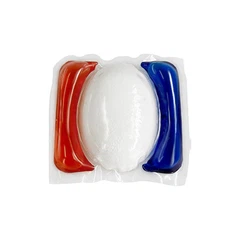



Do dishwashing tablets work well on plates? This is a question that many households and commercial kitchens often ponder. As a supplier of dishwashing tablets, I've had the privilege of witnessing firsthand the effectiveness of these products in cleaning plates and other kitchenware. In this blog, I'll delve into the science behind dishwashing tablets, share real - world experiences, and address common concerns to help you understand how well dishwashing tablets perform on plates.
The Science Behind Dishwashing Tablets
Dishwashing tablets are engineered with a combination of powerful ingredients that work together to break down and remove food residues, grease, and stains from plates. At the heart of these tablets are surfactants. Surfactants have a unique molecular structure that allows them to lower the surface tension of water. This means that water can spread more easily over the surface of the plate, getting into every nook and cranny where food particles might be hiding. For example, when a dishwashing tablet dissolves in water, the surfactants start to interact with the oily and greasy substances on the plate. They surround the grease droplets, making them easier to lift off the surface and suspend in the water, which can then be rinsed away.
Enzymes are another crucial component of dishwashing tablets. Different enzymes target specific types of food residues. Proteases break down protein - based stains such as egg yolk and meat juices. Amylases are designed to tackle starch - based stains like pasta and rice. Lipases, on the other hand, are effective against fat and oil stains. When the tablet dissolves in the dishwasher, these enzymes are activated by the warm water and start to work on breaking down the complex molecules in the food residues into smaller, more soluble components.
Builders are also present in dishwashing tablets. They help to soften the water by binding to minerals such as calcium and magnesium ions. Hard water can reduce the effectiveness of surfactants and leave behind mineral deposits on plates. By softening the water, builders ensure that the surfactants can work at their best and prevent the formation of white spots on the plates after the wash cycle.
Real - World Performance
In real - world scenarios, dishwashing tablets have proven to be highly effective on plates. In many households, plates that are soiled with a variety of food residues, from a simple breakfast of cereal and milk to a heavy - duty dinner with barbecue sauce and melted cheese, can be thoroughly cleaned with a single dishwashing tablet.
Commercial kitchens also rely on dishwashing tablets to keep their plates spotless. Restaurants, cafes, and catering services deal with a large volume of dirty plates on a daily basis. The efficiency of dishwashing tablets allows them to clean plates quickly and effectively, which is essential for maintaining a smooth operation. For instance, a busy restaurant can load a dishwasher full of soiled plates at the end of a service, add a dishwashing tablet, and have a stack of clean plates ready for the next round of customers in no time.
Different Types of Dishwashing Tablets
We offer a range of dishwashing tablets to meet different needs. Our Phosphate - Free Dish Tablets are an environmentally friendly option. Phosphates have been a traditional component in many cleaning products, but they can have a negative impact on the environment when they enter waterways. Our phosphate - free tablets use alternative ingredients to achieve the same level of cleaning performance. They are gentle on the environment while still being tough on stains.
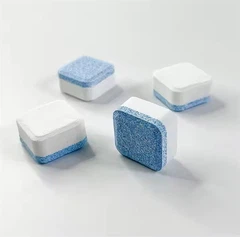
The Tablet Dishwasher Cleaner is not only great for cleaning plates but also for maintaining the dishwasher itself. Over time, food particles, grease, and mineral deposits can build up inside the dishwasher, affecting its performance. This tablet contains special ingredients that can break down these deposits, keeping the dishwasher in top condition and ensuring that it continues to clean plates effectively.


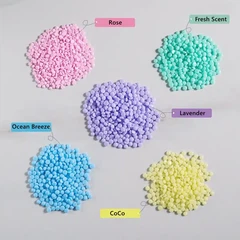
For those who prefer a fresh and pleasant scent, our Lemon Scent Dishwasher Tabs are a popular choice. The lemon scent not only leaves the plates smelling fresh but also adds a touch of natural freshness to the entire dishwashing process.
Common Concerns and Solutions
One common concern is the appearance of white spots on plates after using dishwashing tablets. This is often due to hard water. As mentioned earlier, the builders in the tablets help to reduce this problem. However, if the water in your area is extremely hard, you may want to consider using a water softener in addition to the dishwashing tablets. Another option is to use a rinse aid, which can help to prevent water droplets from drying on the plates and leaving behind mineral deposits.
Some people worry that dishwashing tablets may not be able to clean heavily soiled plates. In such cases, it's important to pre - rinse the plates to remove large chunks of food. This will make it easier for the dishwashing tablet to do its job. Also, make sure to use the correct amount of the tablet according to the dishwasher's load size and the level of soiling.
Conclusion
In conclusion, dishwashing tablets work very well on plates. Their scientific formulation, combined with real - world effectiveness, makes them a reliable choice for both households and commercial kitchens. Whether you're dealing with light or heavy soiling, there's a dishwashing tablet that can meet your needs. Our range of products, including Phosphate - Free Dish Tablets, Tablet Dishwasher Cleaner, and Lemon Scent Dishwasher Tabs, offers a variety of options to ensure clean and fresh - smelling plates every time.
If you're interested in learning more about our dishwashing tablets or are looking for a reliable supplier for your household or business needs, we'd love to hear from you. Contact us to start a discussion about your requirements and explore how our products can make your dish - cleaning process more efficient and effective.
References
- "The Chemistry of Dishwashing Detergents" - Journal of Chemical Education
- "Enzymes in Dishwashing: How They Work" - International Journal of Enzyme Research
- "Surfactants and Their Role in Cleaning" - Journal of Surfactant Science and Technology