

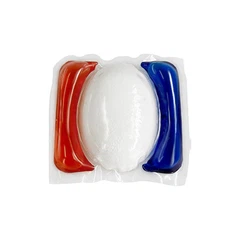


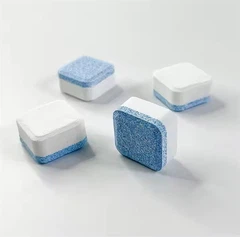


As a supplier of Sage Cleaning Tablets, I often get asked a wide range of questions about the proper use and application of our products. One query that has come up more frequently than others is, "Can Sage Cleaning Tablets be used on wood?" In this blog post, I'll delve into this question, providing you with a scientific and well - informed answer.
Understanding Sage Cleaning Tablets
Before we address the question at hand, let's first understand what Sage Cleaning Tablets are. We offer a variety of cleaning tablets tailored to different needs. For instance, our Espresso Coffee Machine Cleaning Tablets are specifically designed to remove limescale, coffee oils, and other residues from espresso machines. Our Milk System Cleaning Tablets are formulated to clean the milk frothing and delivery systems of coffee machines, eliminating milk proteins and bacteria. And our Tablets for Coffee Machines are a more general - purpose solution for keeping coffee machines in top - notch condition.
These tablets are made up of a combination of chemicals that are effective in breaking down organic and inorganic substances commonly found in coffee - making equipment. The main active ingredients usually include citric acid, which is a natural descaler, and other surfactants that help in dissolving oils and dirt.
The Nature of Wood
Wood is a porous and organic material. It is composed mainly of cellulose, hemicellulose, and lignin. Different types of wood have different densities, porosities, and chemical compositions. For example, softwoods like pine are less dense and more porous compared to hardwoods like oak or teak.


Wood is also sensitive to various environmental factors such as moisture, temperature, and chemicals. Exposure to excessive moisture can cause wood to swell, warp, or even rot. Chemicals can react with the components of wood, leading to discoloration, weakening of the structure, or damage to the finish.
Chemical Reactions between Sage Cleaning Tablets and Wood
The chemicals in Sage Cleaning Tablets, particularly citric acid, can potentially react with the components of wood. Citric acid is a weak acid, but it can still cause some changes in the wood over time.
When the cleaning tablets are dissolved in water to form a cleaning solution, the acidic nature of the solution can lower the pH of the wood surface. A lower pH can break down the lignin in wood, which is responsible for its rigidity and strength. This can lead to a weakening of the wood structure, making it more prone to damage.
Moreover, the surfactants in the tablets can penetrate the pores of the wood. If the wood has a finish, such as a varnish or paint, the surfactants may dissolve or damage this protective layer, exposing the underlying wood to further damage.
Potential Risks of Using Sage Cleaning Tablets on Wood
- Discoloration: The acidic solution from the tablets can cause the wood to change color. It may darken or develop a yellowish tint, especially if the wood is exposed to the solution for an extended period.
- Surface Damage: The combination of acid and surfactants can erode the surface of the wood, making it rough and uneven. This can affect the aesthetic appeal of the wood and may also reduce its resistance to wear and tear.
- Structural Weakening: As mentioned earlier, the breakdown of lignin can lead to a loss of strength in the wood. This is particularly concerning for wooden furniture or structures that need to bear weight.
- Finish Damage: If the wood has a finish, using the cleaning tablets can compromise the integrity of this finish. Once the finish is damaged, the wood becomes more vulnerable to moisture, dirt, and other environmental factors.
Situations Where Using Sage Cleaning Tablets on Wood is Not Recommended
- Wooden Furniture: Using Sage Cleaning Tablets on wooden tables, chairs, or cabinets is a bad idea. These items are often made of high - quality wood with a finish, and any damage to the wood or the finish can significantly reduce their value and lifespan.
- Wooden Floors: Floors are constantly exposed to foot traffic, and using a harsh cleaning solution can quickly damage the wood. The acidic nature of the tablets can also etch the surface of the floor, making it slippery and dangerous.
- Wooden Coffee Machine Accessories: Some coffee machines may have wooden handles or other wooden parts. Using the cleaning tablets on these parts can cause damage to the wood, affecting both the appearance and functionality of the coffee machine.
Alternatives for Cleaning Wood
If you need to clean wood, it's best to use products specifically designed for wood cleaning. Mild soap and water are often sufficient for general cleaning. For more stubborn stains, you can use a wood cleaner that is pH - balanced and formulated to be gentle on wood.
There are also natural cleaning solutions that can be used on wood. For example, a mixture of vinegar and water can be a good alternative. Vinegar is also acidic, but it is much milder than the citric acid in Sage Cleaning Tablets and is less likely to cause damage to the wood.
Conclusion
In conclusion, Sage Cleaning Tablets are not suitable for use on wood. The chemicals in these tablets can cause a variety of problems, including discoloration, surface damage, structural weakening, and finish damage. As a supplier, I always recommend using our products as intended, which is for cleaning coffee machines and related equipment.
If you're in the market for high - quality cleaning solutions for your coffee machines, our Sage Cleaning Tablets are the ideal choice. They are effective in removing limescale, oils, and bacteria, ensuring that your coffee machines operate at their best.
If you have any questions about our products or are interested in purchasing our Sage Cleaning Tablets, please feel free to reach out. We are always happy to assist you with your cleaning needs and can provide you with detailed information on how to use our products effectively.
References
- "The Chemistry of Wood" by Forest Products Laboratory
- "Wood Handbook: Wood as an Engineering Material" by the U.S. Department of Agriculture