




As a supplier of Kettle Descaler Tablets, I often receive inquiries from customers about the compatibility of our products with different types of kettles, especially those equipped with rubber seals. This is a valid concern as using the wrong descaler can potentially damage the rubber seals, leading to leaks or other issues. In this blog post, I'll explore whether it's safe to use kettle descaler tablets in a kettle with a rubber seal and provide some useful tips to ensure the longevity of your kettle.
Understanding Kettle Descaler Tablets
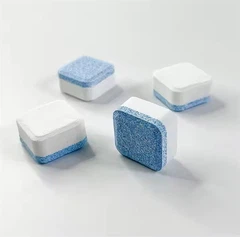
Kettle descaler tablets are formulated to dissolve limescale, a hard, chalky deposit that accumulates inside kettles over time due to the presence of minerals in water. These tablets typically contain acids, such as citric acid or acetic acid, which react with the limescale to break it down into a soluble form that can be easily rinsed away. The main advantage of using descaler tablets is their convenience - simply drop a tablet into the kettle, fill it with water, and let it soak for a specified period.


One of our popular products, Kettle Descaler Tablets, is designed to be effective in removing limescale without causing damage to the kettle's interior. It's a user - friendly solution that many customers have found to be highly efficient.
The Impact of Descaler Tablets on Rubber Seals
Rubber seals are commonly used in kettles to prevent leaks and maintain a tight fit. However, rubber can be sensitive to certain chemicals, especially strong acids. When it comes to using kettle descaler tablets in a kettle with a rubber seal, the key factor is the type of acid in the tablets and its concentration.
Most modern kettle descaler tablets, including ours, use mild acids like citric acid. Citric acid is a natural acid found in citrus fruits and is generally considered safe for use around rubber. It is less likely to cause significant damage to rubber seals compared to stronger acids such as hydrochloric acid.
However, even mild acids can have some impact on rubber over time. Prolonged exposure to acid solutions can cause the rubber to swell, harden, or become brittle. This can lead to a loss of elasticity, which may result in leaks or a poor seal.
Safety Considerations
Check the Manufacturer's Instructions
Before using any descaler tablets in your kettle, it's crucial to check the kettle's user manual. The manufacturer may provide specific instructions regarding the use of descalers and whether they are compatible with the rubber seals. Some kettles may come with a warning against using certain types of descalers.
Conduct a Patch Test
If you're unsure about the compatibility of the descaler tablets with your kettle's rubber seal, you can conduct a patch test. Fill a small container with the descaler solution (following the instructions on the tablet packaging) and submerge a small, hidden part of the rubber seal in the solution for a short period (e.g., 10 - 15 minutes). Then, check the rubber for any signs of damage, such as discoloration, swelling, or softening. If there are no visible changes, it's likely safe to use the descaler in the entire kettle.
Follow the Recommended Dosage and Soaking Time
Using more descaler tablets than recommended or leaving the solution in the kettle for too long can increase the risk of damage to the rubber seal. Always follow the instructions on the descaler tablet packaging carefully. For example, our Limescale Tablets for Kettle come with clear guidelines on the dosage and soaking time to ensure safe and effective use.
Rinse Thoroughly
After descaling, it's essential to rinse the kettle thoroughly with clean water to remove any remaining descaler solution. This helps to minimize the exposure of the rubber seal to the acid. Rinse the kettle at least three to four times, and make sure to empty all the water each time.
Benefits of Using Descaler Tablets in Kettles with Rubber Seals
Despite the potential risks, using descaler tablets in kettles with rubber seals can have several benefits.
Improved Performance
Limescale buildup can reduce the efficiency of your kettle. It acts as an insulator, which means the kettle has to work harder to heat the water, leading to increased energy consumption. By regularly descaling your kettle with descaler tablets, you can restore its performance and save on energy costs.
Extended Lifespan
Removing limescale can also extend the lifespan of your kettle. Limescale can cause damage to the heating element over time, leading to premature failure. By keeping the kettle clean, you can prevent this damage and ensure that your kettle lasts longer.
Healthier Water
Limescale can harbor bacteria and other contaminants. Descaling your kettle regularly helps to keep the water you drink cleaner and healthier.
Other Options for Descaling
If you're still concerned about using descaler tablets in a kettle with a rubber seal, there are other descaling methods you can consider.
Vinegar
Vinegar is a natural alternative to descaler tablets. It contains acetic acid, which can also dissolve limescale. To use vinegar for descaling, fill the kettle with a mixture of equal parts vinegar and water, and let it soak for an hour or two. Then, rinse the kettle thoroughly. However, like descaler tablets, vinegar can also have an impact on rubber seals if used excessively.
Bottle Bright Cleaning Tablets
These tablets are another option for descaling. They are designed to be gentle on various materials, including rubber. They can effectively remove limescale while being less likely to cause damage to the rubber seal.
Conclusion
In general, it is possible to use kettle descaler tablets in a kettle with a rubber seal, especially if the tablets contain mild acids like citric acid. However, it's important to take precautions to ensure the safety of the rubber seal. Always check the manufacturer's instructions, conduct a patch test if necessary, follow the recommended dosage and soaking time, and rinse the kettle thoroughly after descaling.
If you have any further questions about our kettle descaler tablets or need advice on descaling your kettle, please feel free to contact us. We are always ready to assist you with your purchasing needs and provide you with the best solutions for keeping your kettle in top condition.
References
- Manufacturer's guides of various kettles
- Research on the effects of acids on rubber materials
- Product information of Kettle Descaler Tablets, Limescale Tablets for Kettle, and Bottle Bright Cleaning Tablets