





What temperature of water should I use with denture cleaner?
As a dedicated supplier of denture cleaner, I often receive inquiries from customers about the ideal water temperature to use when cleaning their dentures. This seemingly simple question is crucial as the right water temperature can significantly impact the effectiveness of the denture cleaner and the longevity of the dentures themselves.
The Role of Water Temperature in Denture Cleaning
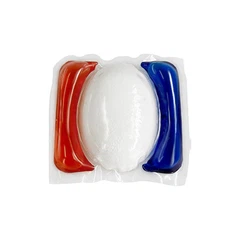
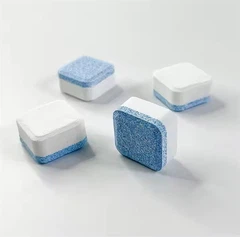
To understand the importance of water temperature, we first need to look at how denture cleaners work. Most denture cleaners, including the False Teeth Cleaning Solution we supply, contain active ingredients that break down plaque, stains, and bacteria on the dentures. These ingredients are activated by water, and the temperature of the water can affect their reactivity.
Cold water, typically below 20°C (68°F), may not fully activate the cleaning agents in the denture cleaner. The chemical reactions that help remove stains and kill bacteria are slower at lower temperatures. As a result, the cleaning process may take longer, and the dentures may not be as thoroughly cleaned. For example, if you soak your dentures in cold water with the cleaner for the recommended time, you might still notice some stubborn stains remaining on the dentures.
On the other hand, using extremely hot water, above 60°C (140°F), can be equally problematic. High temperatures can cause the denture material to warp or distort. Dentures are usually made of acrylic or other plastics, which are sensitive to heat. When exposed to hot water, the shape of the dentures can change, making them uncomfortable to wear and potentially leading to a poor fit. This can cause pain, irritation, and even affect your ability to chew properly.
The Ideal Water Temperature
Based on scientific research and practical experience, the ideal water temperature for using denture cleaner is lukewarm water, around 30 - 40°C (86 - 104°F). This temperature range provides the perfect balance for activating the cleaning agents in the denture cleaner without causing damage to the dentures.
At this temperature, the chemical reactions in the cleaner occur at an optimal rate. The active ingredients can quickly break down plaque, stains, and bacteria, ensuring a thorough cleaning of the dentures. The lukewarm water also helps to dissolve the cleaner evenly, allowing it to spread across the surface of the dentures and reach all the nooks and crannies where dirt and bacteria can accumulate.
To achieve the right water temperature, you can use a thermometer to measure the water. If you don't have a thermometer, you can estimate the temperature by feeling the water with your hand. The water should feel slightly warm, not hot or cold.
Step-by-Step Guide to Cleaning Dentures with the Right Water Temperature
- Prepare the water: Fill a clean container with lukewarm water at around 30 - 40°C (86 - 104°F). Make sure the container is large enough to fully submerge the dentures.
- Add the denture cleaner: Follow the instructions on the denture cleaner packaging and add the appropriate amount of cleaner to the water. Stir the water gently to dissolve the cleaner completely.
- Soak the dentures: Place the dentures in the container with the cleaning solution. Make sure they are fully submerged and that there are no air bubbles trapped between the dentures and the solution.
- Let it soak: Allow the dentures to soak in the solution for the recommended time, usually 15 - 30 minutes. This gives the cleaner enough time to work effectively.
- Rinse the dentures: After soaking, remove the dentures from the solution and rinse them thoroughly under running lukewarm water. This will remove any remaining cleaner and loosened debris.
- Brush the dentures: Use a soft-bristled denture brush to gently brush the dentures to remove any stubborn stains or debris. Make sure to brush all surfaces of the dentures, including the chewing surfaces, the sides, and the areas that come into contact with your gums.
- Rinse again: Rinse the dentures one more time under running lukewarm water to remove any remaining toothpaste or debris.
Other Factors to Consider
In addition to water temperature, there are other factors that can affect the effectiveness of denture cleaning. For example, the frequency of cleaning is important. It is recommended to clean your dentures at least once a day to prevent the buildup of plaque, stains, and bacteria. You should also avoid using abrasive cleaners or brushes, as they can scratch the surface of the dentures and make them more prone to staining and bacterial growth.
Another factor to consider is the storage of dentures. When you're not wearing your dentures, store them in a clean, dry container with a denture soaking solution or plain water. This will help to keep them moist and prevent them from drying out and cracking.
Conclusion
Choosing the right water temperature when using denture cleaner is essential for maintaining the cleanliness and longevity of your dentures. Lukewarm water, around 30 - 40°C (86 - 104°F), provides the optimal conditions for activating the cleaning agents in the denture cleaner without causing damage to the dentures. By following the proper cleaning procedures and considering other factors such as frequency of cleaning and storage, you can ensure that your dentures stay clean, comfortable, and in good condition for years to come.


If you're interested in purchasing our high-quality denture cleaner, False Teeth Cleaning Solution, or have any questions about denture care, please don't hesitate to contact us for further discussion and potential procurement opportunities. We are committed to providing the best products and services to meet your denture cleaning needs.
References
- ADA Council on Scientific Affairs. (2019). Evidence-based clinical practice guideline for the care and maintenance of complete dentures. Journal of the American Dental Association, 150(2), 116-129.
- Shinkai, R., & Powers, J. M. (2017). Dental materials: properties and manipulation. Elsevier.