




Hey there! As a dishwasher tablet supplier, I often get asked about the difference between dishwasher tablets and powder. It's a great question, and in this blog, I'll break down the key distinctions to help you make an informed choice for your dishwashing needs.
Composition and Formulation
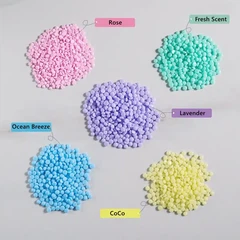
Let's start with the basics. Dishwasher powder is typically a granular substance. It's made up of a blend of various cleaning agents, such as detergents, enzymes, and sometimes abrasives. These components work together to break down grease, food particles, and stains on your dishes.
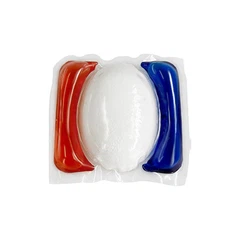
On the other hand, dishwasher tablets are a more convenient, all - in - one solution. They're a compressed form of the same cleaning agents you'd find in powder, but they're pre - measured and combined in a single unit. The tablet's outer layer is designed to dissolve at different rates in the dishwasher cycle. This allows for a staged release of the cleaning agents, ensuring a more efficient and thorough clean.
Convenience
When it comes to convenience, dishwasher tablets take the cake. With tablets, you don't have to measure out the right amount of powder each time you run the dishwasher. Just pop a tablet into the dispenser, and you're good to go. This not only saves time but also reduces the risk of using too much or too little detergent.
Powder, however, requires you to measure it carefully. If you use too little, your dishes might not come out clean. And if you use too much, it can leave a residue on your dishes and inside the dishwasher. Plus, powder can be messy to handle. It can spill easily, and if it gets wet, it can clump up and become difficult to use.
Cleaning Performance
In terms of cleaning performance, both dishwasher tablets and powder can do a great job. But tablets often have an edge. The staged release of cleaning agents in tablets means that they can target different types of stains and dirt at different stages of the dishwasher cycle. For example, the initial phase might focus on breaking down grease, while the later phase could target stubborn food residues.
Powder, while effective, may not have the same level of precision in its cleaning action. Since it's all released at once, it might not be as efficient in dealing with different types of stains. Also, powder can sometimes leave a white, chalky residue on glasses and dishes, especially if the water hardness is high. Tablets are generally better at preventing this kind of residue.
Environmental Impact
Now, let's talk about the environment. This is an area where the choice between tablets and powder can make a difference. Some dishwasher tablets are designed with the environment in mind. For example, Environmental Dishwasher Tablets are made from natural and biodegradable ingredients. They often come in packaging that's more eco - friendly, reducing waste.
Powder, on the other hand, can be a bit more of a mixed bag. Some powders are formulated to be environmentally friendly, but others may contain harsh chemicals that can be harmful to the environment. Also, powder usually comes in larger packaging, which can contribute to more waste.
Cost
Cost is another factor to consider. Generally, dishwasher tablets tend to be a bit more expensive than powder. This is because of the convenience they offer and the technology involved in their production. However, when you factor in the time saved and the better cleaning performance, the extra cost might be worth it for many people.
Powder is usually more budget - friendly. If you're on a tight budget and don't mind the extra hassle of measuring and dealing with potential mess, powder could be a good option for you.
Special Features
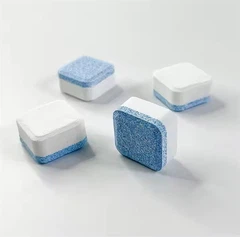
Dishwasher tablets often come with additional features that powder doesn't have. For example, All - in - One Dishwashing Blocks combine multiple functions in one tablet. They can not only clean your dishes but also shine your glasses, prevent limescale buildup, and leave a fresh scent in your dishwasher.
Powder usually just focuses on the basic cleaning function. While you can add separate products for things like limescale prevention or glass shining, it can be more time - consuming and costly.
Plastic Usage
Plastic is a major concern these days. If you're looking to reduce your plastic consumption, Dishwasher Tablets without Plastic are a great option. These tablets come in packaging that's either plastic - free or uses minimal plastic.
Powder, on the other hand, often comes in plastic containers or bags. This can contribute to the growing problem of plastic waste.
Which One Should You Choose?
So, which is better: dishwasher tablets or powder? Well, it depends on your personal preferences and needs. If you value convenience, better cleaning performance, and are willing to spend a bit more, dishwasher tablets are the way to go. They're also a great option if you're concerned about the environment and want to reduce plastic waste.
If you're on a tight budget and don't mind the extra work of measuring and dealing with powder, then powder could be a suitable choice. It's also a good option if you have a simple dishwasher setup and just need basic cleaning.
As a dishwasher tablet supplier, I'm obviously a big fan of tablets. But I understand that everyone's situation is different. That's why I offer a range of products to meet different needs. Whether you're looking for eco - friendly options, all - in - one solutions, or plastic - free tablets, I've got you covered.


If you're interested in learning more about our dishwasher tablets or want to place an order, I'd love to hear from you. Just reach out, and we can have a chat about your requirements. We can discuss the best products for your dishwasher and your specific cleaning needs. Whether you're a homeowner, a restaurant owner, or a business in the hospitality industry, we have the right solution for you.
References
- "Dishwashing Detergent: Tablets vs. Powder" - Consumer Reports
- "The Science of Dishwashing" - Journal of Home Appliance Research
- "Environmental Impact of Dishwashing Products" - Environmental Science Magazine