

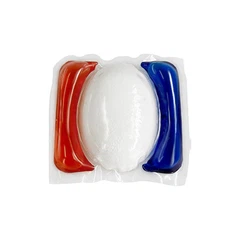
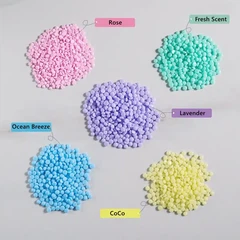

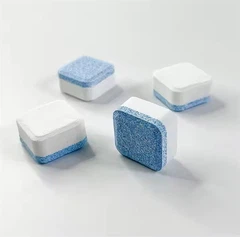


Accidentally swallowing denture cleaner can be a worrying situation, and as a denture cleaner supplier, I understand the concerns that both users and potential customers might have. In this blog post, I'll delve into what happens if one accidentally swallows denture cleaner, the potential risks, and the necessary steps to take.
Composition of Denture Cleaners
Denture cleaners are formulated to effectively remove stains, bacteria, and debris from dentures. The composition of denture cleaners can vary, but most commonly, they contain ingredients such as sodium percarbonate, sodium bicarbonate, and various enzymes. Sodium percarbonate is a bleaching agent that helps to whiten dentures, while sodium bicarbonate acts as a mild abrasive and helps to neutralize odors. Enzymes are added to break down organic matter like food particles and plaque.
Some denture cleaners also contain antimicrobial agents to prevent the growth of bacteria and fungi on dentures. For example, some products may include chlorhexidine, which is a well - known antiseptic. Additionally, flavoring agents are often added to make the cleaning process more pleasant.
What Happens If You Accidentally Swallow Denture Cleaner?
The immediate reaction after accidentally swallowing denture cleaner can vary depending on the amount ingested and the specific ingredients of the cleaner. In most cases, if a small amount (such as a tiny bit that might be left on the dentures) is swallowed, the individual may experience a bitter or unpleasant taste in the mouth, along with some mild irritation in the throat.
However, if a larger amount is swallowed, the situation can be more serious. Sodium percarbonate, when ingested in large quantities, can release oxygen in the stomach. This may cause bloating, discomfort, and in severe cases, it can lead to gastrointestinal distress such as nausea, vomiting, and diarrhea. The enzymes and antimicrobial agents in the cleaner can also cause irritation to the digestive tract.
Potential Risks
The risks associated with swallowing denture cleaner are generally related to the chemical composition of the product. As mentioned earlier, the bleaching agents and other chemicals can cause irritation and damage to the delicate tissues of the mouth, throat, esophagus, and stomach.
In rare cases, an allergic reaction to one of the ingredients in the denture cleaner may occur. Symptoms of an allergic reaction can include itching, swelling of the lips, tongue or throat, difficulty breathing, and hives. If any of these symptoms are present after swallowing denture cleaner, it is a medical emergency, and immediate medical attention should be sought.
Steps to Take If You Swallow Denture Cleaner
- Rinse Your Mouth: If you have swallowed a small amount of denture cleaner, immediately rinse your mouth thoroughly with water. This can help to remove any remaining cleaner from your mouth and reduce the unpleasant taste.
- Drink Water: Drink a glass of water to help dilute the cleaner in your stomach. This can reduce the concentration of the chemicals and potentially minimize the irritation.
- Assess Your Symptoms: Pay close attention to how you feel. If you experience only mild symptoms such as a bitter taste or a slight irritation in the throat, you can usually monitor your condition at home. However, if you develop more severe symptoms such as nausea, vomiting, abdominal pain, or difficulty breathing, seek medical help immediately.
- Contact Poison Control: It is always a good idea to contact your local poison control center. They can provide professional advice based on the specific ingredients of the denture cleaner you swallowed and the amount ingested.
Our Denture Cleaner - False Teeth Cleaning Solution
As a denture cleaner supplier, we take pride in offering a high - quality False Teeth Cleaning Solution. Our product is formulated with the safety of the users in mind. We use mild yet effective ingredients that are designed to clean dentures thoroughly without posing excessive risks in case of accidental ingestion.
Our denture cleaner is free from harsh chemicals that could cause severe harm if swallowed. The enzymes in our product are carefully selected to break down plaque and stains gently, and the bleaching agents are used in controlled amounts to ensure both effectiveness and safety.


Preventing Accidental Ingestion
To prevent accidental ingestion of denture cleaner, it is important to follow these simple guidelines:
- Keep Out of Reach of Children and Pets: Store denture cleaner in a safe place, out of the reach of children and pets. Children may mistake the tablets or solution for candy or a drink, and pets may be attracted to the smell.
- Read the Instructions Carefully: Before using the denture cleaner, read the instructions on the label. Make sure you understand how to use the product correctly and any safety precautions.
- Use the Recommended Amount: Only use the amount of denture cleaner recommended on the package. Using more than the recommended amount not only increases the risk of accidental ingestion but also may not provide better cleaning results.
Conclusion
Accidentally swallowing denture cleaner can be a cause for concern, but by understanding the potential risks and taking the appropriate steps, the situation can usually be managed effectively. As a denture cleaner supplier, we are committed to providing a safe and effective product. Our False Teeth Cleaning Solution is a testament to our dedication to quality and safety.
If you are a dental professional or an individual looking for a reliable denture cleaner, we invite you to contact us for more information and to discuss potential procurement opportunities. We are always happy to answer any questions you may have and work with you to meet your denture cleaning needs.
References
- American Dental Association. Guidelines for denture care and safety.
- Toxicology Data Sheets on common denture cleaner ingredients.
- Medical literature on the effects of chemical ingestion on the digestive system.