

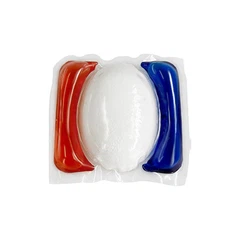
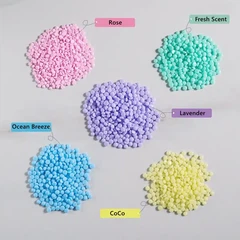

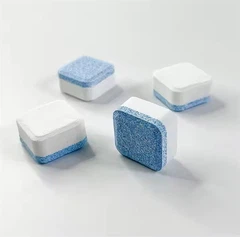


Hey there! As a supplier of dishwashing tablets, I've seen firsthand the convenience and popularity these little guys have gained over the years. They're super easy to use, you just pop one in the dishwasher, and you're good to go. But, like everything else in life, they're not all sunshine and rainbows. There are a few drawbacks to using dishwashing tablets that you might want to know about.
1. Cost Factor
Let's start with the elephant in the room: cost. Dishwashing tablets can be pretty pricey compared to other dishwasher detergents like powder or liquid. When you're buying in bulk, the price per load with tablets can be significantly higher. For example, if you've got a big family and you're running the dishwasher multiple times a day, those costs can really add up over time. And let's face it, not everyone has an endless budget for cleaning supplies.
2. Environmental Concerns
Now, I know a lot of people are big on being eco - friendly these days, and that's great. But dishwashing tablets might not be the best option if you're trying to reduce your environmental footprint. A lot of tablets come wrapped in plastic packaging, which is a major no - no for the planet. Plastic takes ages to break down, and it often ends up in landfills or the ocean, harming wildlife.
Even the tablets themselves can be a problem. Some contain chemicals that aren't very biodegradable. These chemicals can seep into water sources and have a negative impact on aquatic life. If you're into green living, you might want to check out our Ecological Dishwasher Tablets. They're designed to be more environmentally friendly, but even they have some limitations.
3. Incomplete Dissolution
One of the most annoying things about dishwashing tablets is when they don't dissolve properly. You load up the dishwasher, run a cycle, and when you open it up, you find bits of the tablet still sitting there. This can happen for a few reasons. Maybe the water temperature in your dishwasher isn't high enough, or the tablet got stuck in the dispenser.
When a tablet doesn't dissolve completely, it can leave residue on your dishes. You might end up with streaks or a white film on your glasses and plates. It's not exactly the sparkling clean look you're going for. And it's not just an aesthetic issue; the residue can also affect the taste of your food if it's not washed off properly.
4. Lack of Customization
Another drawback is the lack of customization. With powder or liquid detergents, you can adjust the amount you use depending on how dirty your dishes are. If you've got a load of really greasy pans, you can add a bit extra. But with tablets, you're kind of stuck with what you get. One tablet is supposed to do the job, no matter what.
This can be a problem if you're dealing with light loads or dishes that aren't very dirty. You might be using more detergent than you actually need, which is wasteful and can also lead to over - sudsing in the dishwasher. Over - sudsing can cause the dishwasher to malfunction and even leak water onto your kitchen floor. Not fun!


5. Allergic Reactions
Some people can have allergic reactions to the chemicals in dishwashing tablets. The fragrances and enzymes used in tablets are common allergens. If you have sensitive skin or respiratory problems, coming into contact with these chemicals can cause itching, rashes, or breathing difficulties.
Even if you're not directly handling the tablets, the steam from the dishwasher can carry the chemicals into the air. This means you could be exposed to them without even realizing it. If you or someone in your household has allergies, it's important to be cautious when using dishwashing tablets. Our Multi - Enzyme Dish Block is formulated to be gentle, but there's still a risk for some people.
6. Storage Issues
Dishwashing tablets need to be stored properly. If they're exposed to moisture, they can start to break down or clump together. This can make them less effective and harder to use. You need to keep them in a dry place, away from humidity.
If you live in a damp climate or if your storage area is prone to moisture, you might find that your tablets don't last as long as they should. And once they start to clump, it can be difficult to separate them, and you might end up wasting some of them.
7. Compatibility Problems
Not all dishwashers are created equal, and some might not work well with dishwashing tablets. Older models, in particular, can have issues with tablet dispensers. The dispenser might not open properly, or it might release the tablet too early or too late in the cycle.
Even new dishwashers can have compatibility problems. Some high - efficiency dishwashers are designed to use less water, and this can affect how the tablet dissolves. If your dishwasher isn't compatible with tablets, you might end up with dirty dishes or damage to your appliance. Before you switch to tablets, it's a good idea to check your dishwasher's manual to see if they're recommended. If you're having trouble, our Tablet Dishwasher Cleaner can help keep your dishwasher in top shape.
Conclusion
So, there you have it, the drawbacks of using dishwashing tablets. But don't get me wrong, they're not all bad. They're convenient, and they can do a great job of cleaning your dishes when everything goes right. And as a supplier, we're constantly working on improving our products to address these issues.
If you're still interested in giving dishwashing tablets a try, or if you have any questions about our products, feel free to reach out to us. We're always happy to help you find the best solution for your dishwashing needs. Whether it's finding a more eco - friendly option or dealing with compatibility issues, we've got you covered. Contact us to start a conversation about your purchasing needs and let's see how we can work together!
References
- Personal experience as a dishwashing tablet supplier.
- General knowledge about household cleaning products and environmental impact.