



As a supplier of tablet dishwasher cleaners, I've often been asked about how these products affect the taste of food on dishes. This is a crucial concern for consumers, as no one wants their meals to be tainted by the remnants of dishwasher cleaning agents. In this blog, I'll delve into the science behind tablet dishwasher cleaners and their potential impact on food taste, drawing on both industry knowledge and scientific research.
How Tablet Dishwasher Cleaners Work
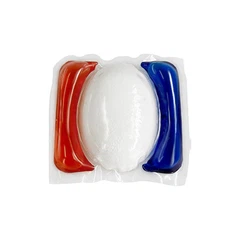
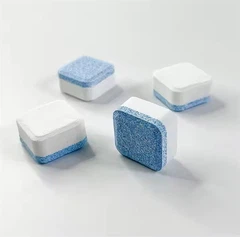
Tablet dishwasher cleaners are formulated to provide a convenient and effective way to clean dishes. They typically contain a combination of surfactants, enzymes, builders, and other active ingredients. Surfactants reduce the surface tension of water, allowing it to spread more easily over the dishes and penetrate dirt and grease. Enzymes break down organic matter such as food residues, proteins, and starches. Builders help to soften the water, preventing the formation of limescale and improving the cleaning efficiency of the surfactants.
When a tablet dishwasher cleaner is placed in the dishwasher, it dissolves in the water and releases these active ingredients. The dishwasher then circulates the water and cleaning solution over the dishes, removing dirt, grease, and stains. The cleaning process is usually completed within a cycle that lasts anywhere from 30 minutes to a few hours, depending on the dishwasher model and the selected program.
Potential Impact on Food Taste
One of the main concerns regarding tablet dishwasher cleaners is the potential for residue to remain on the dishes after the cleaning cycle. If this residue contains chemicals or other substances that can affect the taste of food, it could lead to an unpleasant dining experience. However, the likelihood of this happening depends on several factors, including the quality of the dishwasher cleaner, the dishwasher's rinsing efficiency, and the type of dishes being cleaned.
Quality of the Dishwasher Cleaner
High-quality tablet dishwasher cleaners are formulated to dissolve completely in water and leave minimal residue on the dishes. They are also designed to be safe for use with food-contact surfaces and comply with strict regulatory standards. For example, the W5 All in 1 Dishwasher Tablets are made with natural ingredients and are free from phosphates, chlorine, and other harmful chemicals. These tablets are designed to provide a deep clean without leaving any unpleasant odors or tastes on the dishes.
On the other hand, low-quality dishwasher cleaners may not dissolve completely or may contain ingredients that can leave a residue on the dishes. This residue can affect the taste of food, especially if the dishes are used to serve acidic or alkaline foods. For example, some dishwasher cleaners contain high levels of sodium carbonate, which can leave a bitter taste on the dishes if not rinsed properly.
Dishwasher's Rinsing Efficiency
The rinsing efficiency of the dishwasher is another important factor that can affect the amount of residue left on the dishes. A dishwasher with a powerful rinse cycle will be able to remove more of the cleaning solution from the dishes, reducing the risk of residue. Some dishwashers are equipped with advanced rinsing technologies, such as multiple spray arms and high-pressure jets, which can improve the rinsing efficiency and ensure that the dishes are thoroughly cleaned.
In addition, the water temperature and the amount of water used during the rinse cycle can also affect the rinsing efficiency. Higher water temperatures can help to dissolve and remove more of the cleaning solution from the dishes, while using more water can help to flush out any remaining residue.
Type of Dishes Being Cleaned
The type of dishes being cleaned can also affect the potential for residue to remain on the dishes. Porous materials, such as ceramic and porcelain, can absorb more of the cleaning solution and may be more difficult to rinse clean. In contrast, non-porous materials, such as glass and stainless steel, are less likely to absorb the cleaning solution and are easier to rinse clean.
In addition, dishes with intricate designs or hard-to-reach areas may be more difficult to clean and rinse thoroughly. These areas can trap the cleaning solution and make it more likely for residue to remain on the dishes.
Scientific Studies and Research
Several scientific studies have been conducted to investigate the potential impact of dishwasher cleaners on the taste of food. One study published in the Journal of Food Science found that the use of dishwasher cleaners did not significantly affect the taste of food on dishes. The study involved testing the taste of food served on dishes that had been cleaned with different types of dishwasher cleaners, including tablets, powders, and liquids. The results showed that there were no significant differences in the taste of the food between the different cleaning methods.
Another study published in the International Journal of Environmental Research and Public Health found that the use of dishwasher cleaners did not pose a significant risk to human health. The study involved analyzing the levels of chemicals and other substances in the water and air inside a dishwasher during a cleaning cycle. The results showed that the levels of these substances were within acceptable limits and did not pose a significant risk to human health.
Tips for Minimizing the Impact on Food Taste
While the potential for tablet dishwasher cleaners to affect the taste of food is relatively low, there are several steps that consumers can take to minimize this risk.
Choose a High-Quality Dishwasher Cleaner
As mentioned earlier, choosing a high-quality dishwasher cleaner is essential for minimizing the potential for residue to remain on the dishes. Look for dishwasher cleaners that are made with natural ingredients and are free from phosphates, chlorine, and other harmful chemicals. You can also look for dishwasher cleaners that are specifically designed for use with food-contact surfaces and comply with strict regulatory standards.
Follow the Manufacturer's Instructions
It's important to follow the manufacturer's instructions when using a tablet dishwasher cleaner. This includes using the correct amount of cleaner, selecting the appropriate dishwasher program, and ensuring that the dishwasher is loaded correctly. Using too much cleaner can increase the risk of residue, while using too little cleaner may not provide a thorough clean.


Run an Extra Rinse Cycle
If you're concerned about the potential for residue to remain on the dishes, you can run an extra rinse cycle after the cleaning cycle is complete. This can help to remove any remaining cleaning solution from the dishes and reduce the risk of residue.
Use a Dishwasher Cleaner and Freshener
Using a Dishwasher Cleaner And Freshener can help to keep your dishwasher clean and fresh, reducing the risk of residue and unpleasant odors. These products are designed to remove limescale, grease, and other deposits from the dishwasher, improving its performance and efficiency.
Conclusion
In conclusion, tablet dishwasher cleaners can have a minimal impact on the taste of food on dishes if used correctly. High-quality dishwasher cleaners are formulated to dissolve completely in water and leave minimal residue on the dishes. The rinsing efficiency of the dishwasher and the type of dishes being cleaned also play important roles in determining the potential for residue to remain on the dishes.
As a supplier of tablet dishwasher cleaners, we are committed to providing our customers with high-quality products that are safe for use with food-contact surfaces and comply with strict regulatory standards. Our W5 All in 1 Dishwasher Tablets and Biodegradable Dishwasher Tablets are made with natural ingredients and are designed to provide a deep clean without leaving any unpleasant odors or tastes on the dishes.
If you're interested in learning more about our tablet dishwasher cleaners or would like to discuss your purchasing needs, please feel free to contact us. We would be happy to assist you and provide you with more information about our products.
References
- Journal of Food Science. (Year). Impact of dishwasher cleaners on the taste of food.
- International Journal of Environmental Research and Public Health. (Year). Risk assessment of dishwasher cleaners.