




Does denture cleaner work on all types of stains?
As a provider of denture cleaners, I often encounter customers with a common question: does denture cleaner work on all types of stains? In this blog post, I'll delve into the science behind denture cleaners, the various types of stains dentures can accumulate, and whether our products can effectively tackle them all.
How Denture Cleaners Work
Before we discuss stain removal, it's important to understand how denture cleaners operate. Most denture cleaners are formulated with a combination of active ingredients that work together to break down and remove debris, bacteria, and stains from dentures. The primary types of denture cleaners include tablets, solutions, and pastes.
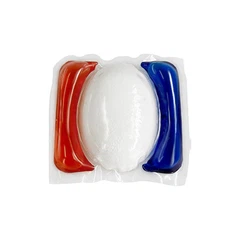
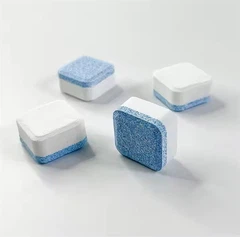
Tablets are a popular choice due to their convenience. When dropped into water, they release effervescent bubbles that help dislodge and remove surface stains. These bubbles are created by a chemical reaction between sodium bicarbonate and an acid, such as citric acid. The resulting carbon dioxide gas helps to lift dirt and grime from the denture surface.
Denture cleaning solutions, like our False Teeth Cleaning Solution, typically contain antibacterial agents and enzymes. The antibacterial agents help to kill harmful bacteria that can cause bad breath and oral infections, while the enzymes break down proteins and other organic matter that can adhere to dentures.
Pastes are similar to toothpaste but are specifically designed for dentures. They are used with a soft-bristled brush to physically scrub away stains and debris.
Types of Stains on Dentures
Dentures can accumulate a variety of stains over time, each with its own characteristics and causes. Understanding these different types of stains is crucial in determining the effectiveness of denture cleaners.
Food and Beverage Stains
Foods and beverages are a common source of stains on dentures. Dark-colored substances such as coffee, tea, red wine, and berries contain pigments that can easily adhere to the denture surface. These stains are usually surface-level and can be relatively easy to remove with regular cleaning.
Tobacco Stains
Tobacco use, whether smoking cigarettes or chewing tobacco, can leave stubborn yellow-brown stains on dentures. The nicotine and tar in tobacco products penetrate the pores of the denture material, making these stains more difficult to remove than food and beverage stains.
Bacterial and Plaque Stains
Bacteria and plaque can build up on dentures, especially if they are not cleaned regularly. This can result in a yellowish or grayish film on the denture surface. Bacterial stains are not only unsightly but can also contribute to bad breath and oral health problems.
Calculus Stains
Calculus, also known as tartar, is a hard, mineralized deposit that can form on dentures. It is composed of calcium and other minerals from saliva and food particles. Calculus stains are extremely hard and can only be removed by a dental professional using special tools.
Can Denture Cleaners Remove All Types of Stains?
The effectiveness of denture cleaners depends on the type of stain and the severity of the discoloration.


Food and Beverage Stains
For most food and beverage stains, our denture cleaners are highly effective. The effervescent action of tablets and the enzymatic activity of solutions can break down and remove these surface stains. Regular use of our False Teeth Cleaning Solution can help prevent these stains from becoming deeply ingrained.
Tobacco Stains
While denture cleaners can help lighten tobacco stains, they may not completely remove them. The deep penetration of nicotine and tar into the denture material makes these stains more resistant to cleaning. However, using a denture cleaner regularly can slow down the staining process and make the stains less noticeable.
Bacterial and Plaque Stains
Our denture cleaners are designed to target bacterial and plaque stains. The antibacterial agents in our solutions kill the bacteria, while the enzymes break down the plaque. Regular cleaning with our products can keep these stains at bay and maintain good oral hygiene.
Calculus Stains
As mentioned earlier, calculus stains are too hard for denture cleaners to remove. If you notice calculus buildup on your dentures, it's important to visit a dental professional for a thorough cleaning.
Tips for Effective Stain Removal
To maximize the effectiveness of our denture cleaners and keep your dentures stain-free, here are some tips:
- Clean your dentures daily: Make it a habit to clean your dentures every day using our recommended denture cleaner. This will prevent stains from accumulating and keep your dentures looking and feeling fresh.
- Soak your dentures overnight: For stubborn stains, soaking your dentures overnight in our False Teeth Cleaning Solution can help loosen the debris and make it easier to remove.
- Brush gently: When using a denture paste or cleaning your dentures with a brush, use a soft-bristled brush and gentle pressure. Scrubbing too hard can damage the denture surface and make it more prone to staining.
- Avoid abrasive cleaners: Do not use regular toothpaste, bleach, or other abrasive cleaners on your dentures. These can scratch the denture material and cause it to absorb stains more easily.
- Rinse thoroughly: After cleaning your dentures, rinse them thoroughly with water to remove any remaining cleaner or debris.
Conclusion
In conclusion, while our denture cleaners are effective at removing many types of stains, they may not work on all of them. Food and beverage stains, bacterial and plaque stains can be effectively removed with regular use of our products. Tobacco stains can be lightened, but complete removal may be challenging. Calculus stains, on the other hand, require professional cleaning.
If you have any questions about our denture cleaners or need advice on stain removal, please don't hesitate to contact us. We're here to help you keep your dentures clean, comfortable, and looking their best. Whether you're a new denture wearer or a long-time user, our team of experts can provide you with the information and support you need.
If you're interested in purchasing our high-quality denture cleaners or would like to discuss bulk orders for your dental practice or facility, we welcome you to reach out to us for a procurement negotiation. We look forward to serving you and helping you maintain optimal oral health for your patients or yourself.
References
- ADA Council on Scientific Affairs. (2016). Evidence-based clinical practice guideline for the care and maintenance of complete dentures: a report of the American Dental Association Council on Scientific Affairs. Journal of the American Dental Association, 147(11), 879-890.
- Lang, N. P., & Bragger, U. (2012). Periodontal microbiology and immunology. Wiley-Blackwell.
- Newman, M. G., Takei, H. H., Klokkevold, P. R., & Carranza, F. A. (2012). Carranza's clinical periodontology. Elsevier Health Sciences.