



Do washing machine tablets expire? This is a question that many consumers and industry insiders often ponder. As a supplier of washing machine tablets, I've encountered this query numerous times. In this blog, I'll delve into the science behind the expiration of washing machine tablets, explore the factors that influence their shelf - life, and discuss how to determine if your tablets have gone bad.
The Science of Expiration
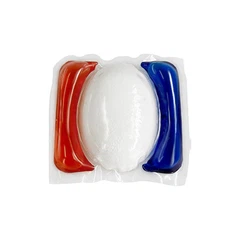
To understand whether washing machine tablets expire, we first need to look at their composition. Washing machine tablets typically contain a blend of surfactants, enzymes, bleaching agents, and other additives. Surfactants are responsible for reducing the surface tension of water, allowing it to penetrate fabrics more effectively. Enzymes break down stains such as proteins, starches, and fats. Bleaching agents help to whiten and brighten clothes.
Over time, these chemical components can undergo various changes. Enzymes, for example, are proteins that are sensitive to temperature, humidity, and pH levels. High temperatures can denature enzymes, rendering them ineffective. Bleaching agents may also degrade, losing their ability to remove stains and brighten fabrics.
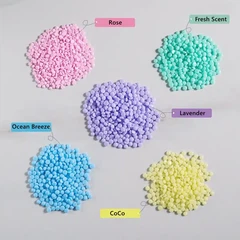
Surfactants can be affected by oxidation. When exposed to air, the chemical structure of surfactants can change, reducing their cleaning power. Additives like fragrances and dyes can also fade or change in color over time, which might not necessarily affect the cleaning performance but can alter the user experience.
Factors Affecting Shelf - Life
Several factors can influence the shelf - life of washing machine tablets.
Storage Conditions
One of the most critical factors is storage. Washing machine tablets should be stored in a cool, dry place. High humidity can cause the tablets to absorb moisture, leading to clumping. Once the tablets clump, they may not dissolve properly in the washing machine, reducing their effectiveness.
For instance, if you store your tablets in a damp basement or near a leaky pipe, the moisture can seep into the packaging and affect the tablets. On the other hand, extreme heat can also be detrimental. If the tablets are stored in a hot attic or a car trunk during summer, the high temperature can accelerate the degradation of the chemical components.
Packaging
The quality of the packaging plays a significant role in preserving the tablets. Good - quality packaging should be airtight and moisture - resistant. It should protect the tablets from exposure to air, light, and moisture. Some manufacturers use foil - lined packaging to provide an extra layer of protection.
If the packaging is damaged or not properly sealed, the tablets are more likely to be exposed to the elements and expire sooner. For example, if the seal on the box is broken, air can enter, and oxidation can occur more rapidly.


Chemical Composition
The specific chemical composition of the tablets also affects their shelf - life. Tablets with a higher concentration of unstable chemicals, such as certain types of enzymes or bleaching agents, may have a shorter shelf - life compared to those with more stable components.
Some advanced washing machine tablets contain natural ingredients or eco - friendly additives. These may have different stability characteristics compared to traditional chemical - based tablets. For example, natural enzymes may be more sensitive to environmental conditions than synthetic ones.
How to Determine if Tablets Have Expired
There are several signs that can indicate whether your washing machine tablets have expired.
Physical Appearance
One of the most obvious signs is a change in physical appearance. If the tablets have clumped together, it's a clear indication that they have been exposed to moisture. Clumped tablets may not dissolve evenly in the washing machine, leaving behind residue on your clothes or in the machine itself.
The color of the tablets can also change. If they were originally white and have turned yellow or brown, it could be a sign of oxidation or degradation. Additionally, if the tablets have a powdery or crumbly texture instead of a solid, intact form, they may have expired.
Cleaning Performance
If you notice that your clothes are not coming out as clean as they used to, even when using the recommended amount of tablets, it could be a sign that the tablets have expired. The enzymes and surfactants may no longer be working effectively to break down stains and remove dirt.
You may also observe that the tablets are not dissolving completely in the washing machine. This can lead to a build - up of residue in the machine, which can cause unpleasant odors and potentially damage the machine over time.
Our Washing Machine Tablets
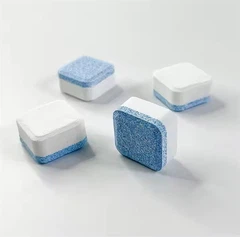
As a supplier, we take great care in ensuring the quality and longevity of our washing machine tablets. We offer a range of products, including Active Washer Cleaner Tablets, Clean Washing Machine Tablets, and Cleaning Washing Machine Tablets.
Our tablets are formulated with high - quality ingredients and are designed to have a long shelf - life. We use state - of - the - art packaging technology to protect the tablets from environmental factors. Our research and development team continuously works on improving the chemical composition to enhance stability and cleaning performance.
Conclusion
In conclusion, washing machine tablets do expire. The expiration is influenced by factors such as storage conditions, packaging, and chemical composition. By being aware of the signs of expiration, consumers can ensure that they are using effective tablets and getting the best cleaning results.
As a supplier, we are committed to providing high - quality washing machine tablets that meet the needs of our customers. If you are interested in purchasing our products or have any questions about our washing machine tablets, we encourage you to reach out to us for a procurement discussion. We look forward to working with you to keep your washing machines clean and your clothes fresh.
References
- "Chemistry of Detergents" by John Wiley & Sons.
- Research papers on the stability of enzymes and surfactants in household cleaning products.