




Espresso machines are a marvel of modern coffee - making technology, capable of producing rich, flavorful espresso shots that are the backbone of countless coffee beverages. However, like any piece of equipment that deals with water, they are prone to limescale buildup. This limescale can not only affect the taste of your coffee but also damage the internal components of the machine over time. That's where descaling tablets come in. As an espresso descaling tablets supplier, I often get asked the question: "Do espresso descaling tablets work on silicon parts in an espresso machine?"
Understanding Limescale and Descaling
Before we delve into the impact of descaling tablets on silicon parts, it's important to understand what limescale is and why descaling is necessary. Limescale is a hard, chalky deposit that forms when water containing dissolved minerals, such as calcium and magnesium, is heated. In an espresso machine, water is constantly being heated and passed through various components, which leads to the gradual accumulation of limescale.
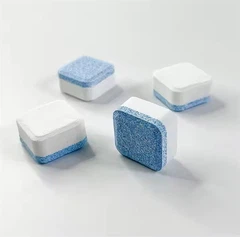
Descaling is the process of removing this limescale buildup. Descaling tablets are a popular choice for this task because they are convenient, easy to use, and often more effective than homemade descaling solutions. These tablets typically contain acids, such as citric acid or acetic acid, which react with the limescale and break it down into soluble compounds that can be flushed out of the machine.
The Composition of Silicon Parts in Espresso Machines
Silicon is a versatile material that is commonly used in espresso machines. It is used in gaskets, seals, and other components because of its flexibility, heat resistance, and chemical stability. Silicon is a polymer made up of silicon atoms bonded to oxygen atoms, with organic groups attached to the silicon atoms. This unique structure gives silicon its desirable properties.

How Descaling Tablets Interact with Silicon
Most espresso descaling tablets are formulated to be relatively gentle on the internal components of the espresso machine, including silicon parts. The acids in the descaling tablets are usually in a concentration that is strong enough to dissolve limescale but not strong enough to cause significant damage to silicon.
Citric acid, which is a common ingredient in descaling tablets, is a weak organic acid. It reacts with the limescale through a chemical process called acid - base reaction. When citric acid comes into contact with calcium carbonate (a major component of limescale), it forms calcium citrate, water, and carbon dioxide. This reaction effectively breaks down the limescale.
Silicon, on the other hand, is resistant to most weak acids. The silicon - oxygen bonds in silicon are relatively strong and are not easily broken by the acids in descaling tablets. As a result, under normal use conditions, descaling tablets should not cause any harm to the silicon parts in an espresso machine.
However, it's important to follow the manufacturer's instructions when using descaling tablets. Using too many tablets or leaving the descaling solution in the machine for too long can increase the concentration of acid and potentially cause damage to the silicon parts.
Case Studies and Research
There have been limited scientific studies specifically focused on the interaction between espresso descaling tablets and silicon parts in espresso machines. However, many coffee enthusiasts and professionals have shared their experiences online.
In general, users report that when they use descaling tablets according to the instructions, the silicon parts in their espresso machines remain in good condition. For example, some users who have been using Sage Descaling Tablets regularly for years have not noticed any signs of damage to the silicon gaskets or seals in their machines.
On the other hand, there are also a few reports of silicon parts being damaged when users did not follow the instructions properly. For instance, one user left a highly concentrated descaling solution in the machine overnight, and the next day, they noticed that the silicon gaskets had become brittle and were starting to crack.
Other Factors to Consider
Apart from the chemical composition of the descaling tablets, there are other factors that can affect the performance of descaling tablets on silicon parts.
The temperature of the descaling solution can play a role. Higher temperatures can increase the rate of chemical reactions. While this can make the descaling process more efficient, it can also potentially increase the risk of damage to the silicon parts if the acid concentration is too high.
The frequency of descaling also matters. Over - descaling can put unnecessary stress on the silicon parts. It's important to descale the espresso machine only when necessary, which is usually every 1 - 3 months depending on the hardness of your water.
Different Types of Descaling Tablets
There are various types of descaling tablets available on the market, each with its own set of features.
Sage Descaling Tablets are specifically designed for Sage espresso machines. They are formulated to be gentle on the internal components, including silicon parts, while effectively removing limescale. These tablets are easy to use and come with clear instructions.
Bottle Bright Cleaning Tablets are another option. While they are not specifically designed for espresso machines, they can be used in a pinch. They contain natural ingredients and are generally considered to be safe for most materials, including silicon.
Limescale Tablets for Kettle can also be used for descaling espresso machines. However, it's important to note that the formulation may be different from tablets specifically designed for espresso machines. Some kettle descaling tablets may have a higher acid concentration, which could potentially pose a risk to silicon parts if not used correctly.
Conclusion
In conclusion, espresso descaling tablets generally work well on silicon parts in an espresso machine when used correctly. The acids in the tablets are usually in a concentration that is safe for silicon, and the tablets are formulated to be gentle on the internal components of the machine. However, it's crucial to follow the manufacturer's instructions to avoid any potential damage.
If you're an espresso machine owner looking for a reliable descaling solution, our range of descaling tablets is a great choice. We have spent years researching and developing our products to ensure that they are effective at removing limescale while being gentle on all components of the espresso machine, including silicon parts.
If you're interested in learning more about our espresso descaling tablets or would like to discuss a potential purchase, please don't hesitate to reach out. We're always happy to help and look forward to working with you to keep your espresso machine in top condition.
References
- "The Chemistry of Limescale and Descaling", Journal of Chemical Education, Volume 85, Issue 6, 2008.
- User reviews and experiences from coffee - related online forums and communities.