

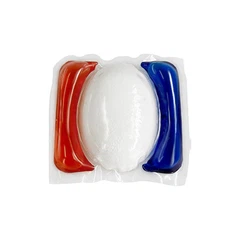





Hey there, coffee lovers and coffee machine owners! As a supplier of Coffee Cleaning Tablets, I often get asked if these tablets have a specific cleaning process. Well, the short answer is yes, but it's not as complicated as you might think. In this blog post, I'll walk you through the ins and outs of using coffee cleaning tablets to keep your coffee machine in top-notch condition.
Why Do You Need Coffee Cleaning Tablets?
Before we dive into the cleaning process, let's talk about why you need these tablets in the first place. Over time, coffee machines accumulate a build-up of coffee oils, minerals from the water, and other residues. This build-up can affect the taste of your coffee, reduce the efficiency of your machine, and even lead to mechanical problems. Coffee cleaning tablets are designed to dissolve these residues, leaving your machine clean and your coffee tasting great.
The Specific Cleaning Process
The cleaning process for coffee machines using cleaning tablets can vary slightly depending on the type of machine you have. However, there are some general steps that apply to most machines.
Step 1: Read the Instructions
This might seem like a no-brainer, but it's crucial. Different brands of Tablets for Coffee Machines may have slightly different instructions, and your coffee machine's manual might also have specific recommendations. So, take a few minutes to read through the instructions carefully before you start.
Step 2: Prepare Your Machine
Before you start the cleaning process, make sure your coffee machine is turned off and unplugged. Remove any coffee pods, filters, or grounds from the machine. Empty the water reservoir and rinse it thoroughly. This will ensure that the cleaning solution can circulate freely through the machine.
Step 3: Dissolve the Tablet
Fill the water reservoir with the recommended amount of water. The amount of water can vary depending on the size of your machine and the instructions on the tablet packaging. Drop the cleaning tablet into the water and let it dissolve completely. This usually takes a few minutes. The tablet will start to fizz as it dissolves, which is a sign that it's working.
Step 4: Run the Cleaning Cycle
Once the tablet has dissolved, plug in your machine and turn it on. Start the brewing cycle as you would when making a cup of coffee. However, instead of using coffee, the machine will pump the cleaning solution through the system. Let the machine run through the entire cycle. This may take several minutes, depending on your machine.
Step 5: Rinse the Machine
After the cleaning cycle is complete, empty the water reservoir and rinse it thoroughly. Fill it with fresh water and run another brewing cycle to rinse out any remaining cleaning solution. You may need to repeat this step a few times to ensure that all the cleaning solution is removed.
Step 6: Clean the Accessories
Don't forget to clean the accessories that come with your coffee machine, such as the coffee filter, carafe, and milk frother. You can soak these accessories in warm, soapy water and then rinse them thoroughly. For stubborn stains, you can use a mild abrasive cleaner.


Step 7: Dry and Reassemble
Once all the parts are clean and dry, reassemble your coffee machine. Make sure all the parts are properly installed before you use the machine again.
Cleaning Process for Espresso Machines
Espresso machines are a bit more complex than regular coffee machines, so they may require a slightly different cleaning process. Espresso Coffee Machine Cleaning Tablets are specifically designed to clean the internal components of espresso machines, such as the group head, portafilter, and boiler.
In addition to the general steps outlined above, here are some specific steps for cleaning an espresso machine:
- Clean the Group Head: The group head is the part of the machine where the coffee grounds are packed and the espresso is brewed. Over time, coffee oils and residues can build up in the group head, which can affect the quality of your espresso. To clean the group head, remove the portafilter and use a group head brush to scrub the inside of the group head. You can also use a cleaning tablet specifically designed for the group head.
- Descale the Boiler: The boiler is the part of the machine that heats the water. Over time, minerals from the water can build up in the boiler, which can reduce the efficiency of the machine and affect the taste of your espresso. To descale the boiler, use a descaling solution or a descaling tablet. Follow the instructions on the packaging carefully.
- Clean the Steam Wand: The steam wand is used to froth milk for cappuccinos and lattes. Milk can leave a residue on the steam wand, which can affect the taste of your milk drinks. To clean the steam wand, wipe it with a damp cloth after each use. You can also soak the steam wand in a cleaning solution periodically to remove any stubborn residue.
How Often Should You Clean Your Coffee Machine?
The frequency of cleaning your coffee machine depends on how often you use it. If you use your coffee machine every day, it's recommended to clean it at least once a month. If you use it less frequently, you can clean it every few months. However, if you notice a change in the taste of your coffee or a decrease in the efficiency of your machine, it may be time to clean it.
Conclusion
Using coffee cleaning tablets is an easy and effective way to keep your coffee machine clean and your coffee tasting great. By following the specific cleaning process outlined in this blog post, you can ensure that your coffee machine stays in top condition for years to come.
If you're interested in purchasing our high-quality Coffee Cleaning Tablets, we'd love to hear from you. Feel free to reach out to us to discuss your needs and place an order. We're here to help you keep your coffee machine running smoothly and your coffee tasting delicious.
References
- Manufacturer's instructions for coffee cleaning tablets
- Coffee machine user manuals