





Hey there! As a supplier of Sage Cleaning Tablets, I often get asked a bunch of questions about our products. One question that pops up quite a bit is, "Can Sage Cleaning Tablets be used on copper pipes?" Well, let's dive right into it and find out.
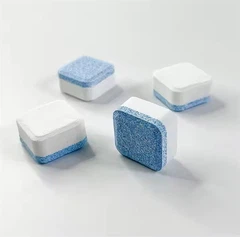
First off, let's talk a bit about Sage Cleaning Tablets. These tablets are pretty awesome. We've got different types for various needs. You can check out Cleaning Tablets for Fully Automatic Coffee Machines, Tablets for Coffee Machines, and Coffee Oil Remover Tablet. They're designed to clean coffee machines thoroughly, removing all that built - up gunk, coffee oils, and limescale.


Now, copper pipes are commonly used in a lot of coffee machines. They're great conductors of heat and are quite durable. But can our Sage Cleaning Tablets be used on them?
The short answer is, it depends. Sage Cleaning Tablets are formulated with a mix of chemicals that are mainly targeted at breaking down coffee residues and limescale. The key ingredients usually include citric acid, which is a mild acid commonly used for descaling. Citric acid is generally safe for copper. It doesn't react aggressively with copper like some stronger acids would. In fact, it can help remove the oxidation layer on the copper surface to some extent, making the pipes look cleaner and more shiny.
However, there are a few things to keep in mind. If the copper pipes have a special coating or finish, using the cleaning tablets might damage that coating. Some manufacturers apply a protective layer on the copper pipes to prevent oxidation or to improve the appearance. The chemicals in the tablets could potentially break down this coating, leaving the copper exposed and more prone to oxidation in the long run.
Another factor is the frequency of use. If you use the cleaning tablets too often, it could lead to some minor corrosion on the copper pipes. Even though citric acid is a mild acid, repeated exposure over a short period can gradually wear down the copper. It's like how washing your hands too many times with harsh soap can dry out your skin. So, it's important to follow the recommended usage guidelines.
Let's take a closer look at the chemical reaction between the cleaning tablets and copper. When the tablet dissolves in water, the citric acid dissociates into hydrogen ions and citrate ions. The hydrogen ions can react with the copper oxide layer on the surface of the pipe. This reaction forms copper citrate and water. Copper citrate is a soluble compound, which means it can be easily washed away with water. This is how the tablets clean the copper pipes and remove the oxidation.
But here's the deal. If there are other impurities in the water or in the coffee machine system, things can get a bit more complicated. For example, if there are high levels of chlorine in the water, it can react with the copper and form copper chloride. The cleaning tablets might interact with the copper chloride in an unexpected way. Also, if there are traces of other metals in the pipes or the machine, the cleaning tablets could cause galvanic corrosion.
So, how can you safely use Sage Cleaning Tablets on copper pipes? First, check the manual of your coffee machine. The manufacturer might have specific instructions about using cleaning agents on copper parts. If they recommend using our tablets, then you're good to go. But if they say to avoid it, then it's best to follow their advice.
Before using the tablets for the first time, you can do a small test. Take a small piece of copper scrap that has the same properties as the pipes in your coffee machine. Dissolve a tablet in a small amount of water and soak the copper scrap in it for a short period, say 10 - 15 minutes. Then, check if there are any visible signs of damage, such as discoloration or pitting. If everything looks okay, you can proceed with using the tablets in your coffee machine.
When using the tablets, always follow the recommended dosage. Don't try to use more tablets thinking it will clean better. Over - dosing can increase the risk of damaging the copper pipes. Also, make sure to rinse the machine thoroughly after using the tablets. This will remove any remaining chemical residues that could potentially cause long - term damage to the copper.
If you notice any changes in the appearance of the copper pipes after using the tablets, such as darkening or a rough surface, stop using the tablets immediately. It could be a sign that the tablets are having a negative impact on the pipes. In such cases, you might want to consult a professional or contact the coffee machine manufacturer for advice.
In conclusion, Sage Cleaning Tablets can be used on copper pipes in most cases, but with caution. They can effectively clean the pipes and remove oxidation, but you need to be aware of the potential risks. By following the recommended usage guidelines, doing a test before full - scale use, and being vigilant about any changes in the pipes, you can safely use our tablets to keep your coffee machine and its copper pipes in top condition.
If you're interested in purchasing our Sage Cleaning Tablets for your coffee machines, whether they have copper pipes or not, I'd love to talk to you about it. We offer high - quality products at competitive prices, and our customer service team is always ready to assist you. Reach out to us for more information and let's start a great business relationship.
References
- General knowledge about chemical reactions between acids and metals
- Manufacturer's guidelines for Sage Cleaning Tablets
- Coffee machine manuals regarding cleaning agents and copper parts