

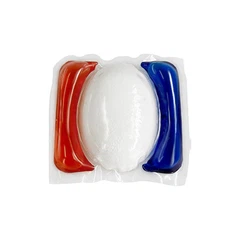


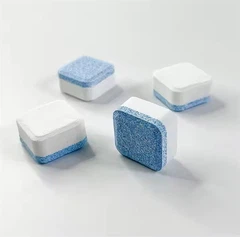


As a trusted denture cleaner supplier, I often receive a wide range of questions from customers, and one that comes up quite frequently is, "Can I use denture cleaner in an ultrasonic cleaner?" This is a valid and important query, especially for those who are looking for the most effective and convenient ways to clean their dentures. In this blog post, I'll delve into the details of this topic, exploring the compatibility, benefits, and potential drawbacks of using denture cleaner in an ultrasonic cleaner.
Understanding Denture Cleaners and Ultrasonic Cleaners
Before we dive into whether it's a good idea to use denture cleaner in an ultrasonic cleaner, let's first understand what each of these tools is and how they work.


Denture cleaners are specifically formulated to remove plaque, stains, and bacteria from dentures. They come in various forms, including tablets, powders, and liquids. When dissolved in water, these cleaners release active ingredients that break down and remove debris from the surface of the dentures. Some denture cleaners also have antibacterial properties that help prevent the growth of harmful bacteria.
On the other hand, ultrasonic cleaners use high-frequency sound waves to create tiny bubbles in a cleaning solution. These bubbles implode upon contact with the denture surface, generating a scrubbing action that can dislodge dirt and debris from hard-to-reach areas. Ultrasonic cleaners are known for their ability to provide a deep and thorough clean, often in a relatively short period of time.
Compatibility of Denture Cleaners and Ultrasonic Cleaners
The good news is that, in most cases, it is safe and effective to use denture cleaner in an ultrasonic cleaner. Many denture cleaner manufacturers design their products to be compatible with ultrasonic cleaning technology. When used together, the combination of the chemical action of the denture cleaner and the mechanical action of the ultrasonic waves can provide a more comprehensive clean than either method alone.
However, it's important to note that not all denture cleaners are created equal. Some may contain ingredients that could potentially damage the ultrasonic cleaner or the dentures themselves. For example, certain abrasive cleaners or those with high levels of bleach may cause corrosion or discoloration over time. Therefore, it's crucial to choose a denture cleaner that is specifically labeled as safe for use in an ultrasonic cleaner.
Benefits of Using Denture Cleaner in an Ultrasonic Cleaner
There are several benefits to using denture cleaner in an ultrasonic cleaner:
- Enhanced Cleaning Power: The combination of the chemical cleaning action of the denture cleaner and the mechanical scrubbing action of the ultrasonic waves can remove stubborn stains, plaque, and bacteria more effectively than traditional cleaning methods.
- Time-Saving: Ultrasonic cleaners can clean dentures in a relatively short period of time, often in as little as 5-10 minutes. This can be a significant advantage for busy individuals who don't have a lot of time to spend on denture cleaning.
- Deep Cleaning: The ultrasonic waves can reach into the tiny crevices and pores of the dentures, providing a more thorough clean than manual brushing or soaking alone.
- Convenience: Using an ultrasonic cleaner with denture cleaner is a convenient and hassle-free way to keep your dentures clean. Simply fill the cleaner with water, add the denture cleaner, and place the dentures inside. The cleaner will do the rest.
Potential Drawbacks and Precautions
While using denture cleaner in an ultrasonic cleaner can be beneficial, there are also a few potential drawbacks and precautions to keep in mind:
- Damage to Dentures: In rare cases, the ultrasonic waves or the chemicals in the denture cleaner may cause damage to the dentures, such as cracking, warping, or discoloration. To minimize the risk of damage, it's important to follow the manufacturer's instructions carefully and avoid using abrasive cleaners or excessive amounts of cleaner.
- Noise: Ultrasonic cleaners can be quite noisy during operation. If you're sensitive to noise, you may want to consider using the cleaner in a separate room or at a time when it won't disturb you or others.
- Cost: Ultrasonic cleaners can be relatively expensive, especially high-quality models. Additionally, you'll need to purchase denture cleaner regularly, which can add to the overall cost of denture maintenance.
Choosing the Right Denture Cleaner for Your Ultrasonic Cleaner
When choosing a denture cleaner for use in an ultrasonic cleaner, there are a few factors to consider:
- Compatibility: Make sure the denture cleaner is specifically labeled as safe for use in an ultrasonic cleaner. This will help ensure that the cleaner won't damage the cleaner or the dentures.
- Effectiveness: Look for a denture cleaner that is effective at removing stains, plaque, and bacteria. Read reviews and compare different products to find one that has a good reputation for cleaning power.
- Ingredients: Avoid denture cleaners that contain abrasive ingredients, bleach, or other harsh chemicals that could potentially damage the dentures or the ultrasonic cleaner.
- Brand Reputation: Choose a denture cleaner from a reputable brand that has a history of producing high-quality dental products.
One option that I recommend is the False Teeth Cleaning Solution. This product is specifically formulated for use in ultrasonic cleaners and is designed to provide a deep and thorough clean without damaging the dentures or the cleaner. It contains gentle yet effective ingredients that break down stains and bacteria, leaving your dentures looking and feeling fresh and clean.
How to Use Denture Cleaner in an Ultrasonic Cleaner
Using denture cleaner in an ultrasonic cleaner is a simple process. Here's a step-by-step guide:
- Read the Instructions: Before using the ultrasonic cleaner or the denture cleaner, carefully read the manufacturer's instructions. This will help ensure that you use the products correctly and safely.
- Fill the Cleaner: Fill the ultrasonic cleaner with water to the recommended level. Make sure not to overfill the cleaner.
- Add the Denture Cleaner: Add the recommended amount of denture cleaner to the water in the cleaner. Follow the instructions on the denture cleaner packaging for the correct dosage.
- Place the Dentures: Carefully place the dentures in the cleaner, making sure they are fully submerged in the cleaning solution.
- Turn on the Cleaner: Turn on the ultrasonic cleaner and set the timer according to the manufacturer's instructions. The cleaning process usually takes between 5-10 minutes.
- Rinse the Dentures: After the cleaning cycle is complete, carefully remove the dentures from the cleaner and rinse them thoroughly under running water.
- Dry the Dentures: Pat the dentures dry with a clean towel and store them in a denture case until your next use.
Conclusion
In conclusion, using denture cleaner in an ultrasonic cleaner can be a safe and effective way to keep your dentures clean and fresh. The combination of the chemical cleaning action of the denture cleaner and the mechanical scrubbing action of the ultrasonic waves can provide a more comprehensive clean than either method alone. However, it's important to choose a denture cleaner that is specifically labeled as safe for use in an ultrasonic cleaner and to follow the manufacturer's instructions carefully.
If you're interested in learning more about our denture cleaner products or have any questions about using denture cleaner in an ultrasonic cleaner, please don't hesitate to contact us. We're here to help you find the best solution for your denture cleaning needs. Whether you're a dental professional or an individual looking for high-quality denture care products, we're committed to providing you with the best products and services.
References
- Manufacturer's instructions for denture cleaners and ultrasonic cleaners.
- Dental research studies on denture cleaning methods.