




Hey there! If you're rocking dentures with a metal part and wondering if you can use denture cleaner, you've landed on the right blog. I'm a supplier of denture cleaner, and I've seen all sorts of questions about this topic. So, let's dig in and find out if it's a go or a no - go.


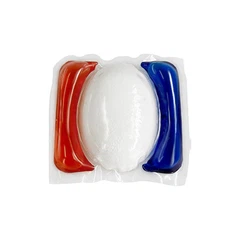
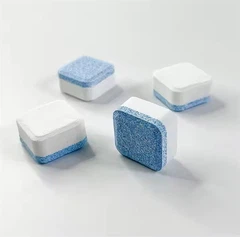
First things first, what's in a denture cleaner? Most denture cleaners, like the False Teeth Cleaning Solution, are formulated to break down plaque, food debris, and stains on dentures. They usually contain ingredients like sodium percarbonate, which releases oxygen when dissolved in water. This oxygen helps to lift dirt and grime off the surface of your dentures.
Now, when it comes to metal parts in dentures, the concern is mainly about corrosion. Some metals can react with the chemicals in denture cleaners over time. For example, if your denture has a cheap or low - quality metal alloy, it might start to corrode when exposed to certain cleaning agents. But don't panic just yet! Not all metals are created equal, and not all denture cleaners are the same.
There are different types of metals used in dentures. Noble metals like gold and platinum are very stable and resistant to corrosion. So, if your denture has a gold or platinum part, you can usually use a regular denture cleaner without any major issues. On the other hand, base metals such as nickel, chromium, and cobalt are more prone to corrosion. If your denture has a significant amount of these base metals, you need to be a bit more careful.
Before you start using any denture cleaner on your dentures with metal parts, it's a good idea to check with your dentist or prosthodontist. They can tell you exactly what kind of metal is in your denture and recommend the best cleaning method. Sometimes, they might even suggest a specific denture cleaner that is safe for your particular metal.
Let's talk about the False Teeth Cleaning Solution I mentioned earlier. This cleaner is designed to be gentle yet effective. It has been tested to ensure that it doesn't cause excessive corrosion on most common metals used in dentures. But remember, even with a safe cleaner, you still need to follow the instructions properly.
When using a denture cleaner with metal parts, here are some tips to keep in mind. First, always read the label. The label will tell you how long to soak your dentures and any special precautions. For example, some cleaners might recommend a shorter soaking time if your denture has metal parts. Second, don't leave your dentures in the cleaner for longer than recommended. Over - soaking can increase the risk of corrosion, even with a safe cleaner.
Another thing to consider is the frequency of cleaning. You don't need to clean your dentures with a chemical cleaner every single day. In fact, over - cleaning can also damage your dentures and the metal parts. A good rule of thumb is to use a denture cleaner 2 - 3 times a week and brush your dentures with a soft - bristled toothbrush and mild soap on the other days.
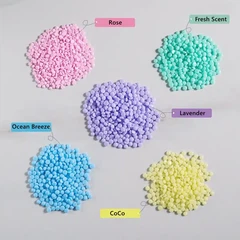
Some people also worry about the taste and smell of the denture cleaner affecting the metal parts. Well, most modern denture cleaners are formulated to have a pleasant smell and taste. And as long as you rinse your dentures thoroughly after soaking, there shouldn't be any lingering taste or smell that could damage the metal.
Now, let's address some common myths about using denture cleaners on dentures with metal parts. One myth is that all denture cleaners will corrode metal. As we've seen, this isn't true. With the right cleaner and proper usage, you can clean your dentures safely. Another myth is that you can use household cleaners instead of denture cleaners. This is a big no - no. Household cleaners can be too harsh and can definitely cause corrosion and damage to your dentures and the metal parts.
If you're still unsure about whether you can use a denture cleaner on your dentures with metal parts, you can do a small test. Take a small, inconspicuous part of your denture and soak it in the cleaner for a short period (less than the recommended time). Then, check for any signs of discoloration or corrosion. If there are no issues, you can proceed with cleaning the whole denture.
As a denture cleaner supplier, I understand that you want the best for your dentures. That's why we've developed our False Teeth Cleaning Solution to be safe and effective. We've done extensive research and testing to ensure that it can clean your dentures without harming the metal parts.
If you're interested in purchasing our denture cleaner or have any questions about using it on dentures with metal parts, don't hesitate to reach out. We're here to help you keep your dentures clean and in good condition. Whether you're a new denture wearer or have been using dentures for years, proper cleaning is essential for your oral health and the longevity of your dentures.
In conclusion, yes, you can use a denture cleaner if you have a metal part in your dentures, but you need to be careful. Choose a safe cleaner like our False Teeth Cleaning Solution, follow the instructions, and consult your dentist if you're unsure. With the right approach, you can keep your dentures looking and feeling great for a long time.
References:
- ADA (American Dental Association) guidelines on denture care.
- Research studies on the corrosion of metals in dentures exposed to cleaning agents.