

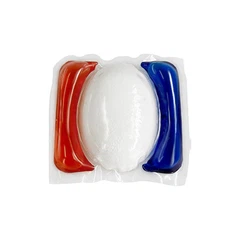
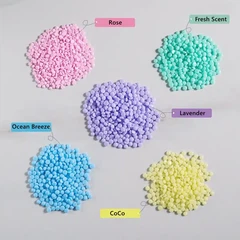

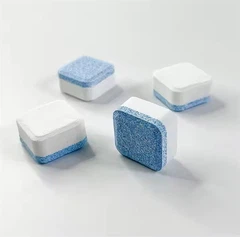


Hey there! As a descaling tablet supplier, I often get asked a bunch of questions about where and how to use our products. One query that pops up quite a bit is, "Can descaling tablets be used in laboratory appliances?" Let's dig into this topic and find out.
First off, let's understand what descaling tablets are all about. Descaling tablets are designed to remove limescale, which is that chalky white deposit that builds up over time in appliances due to the minerals in water. They usually contain acids like citric acid or other chemical agents that break down the limescale and make it easier to remove.
Now, when it comes to laboratory appliances, the situation gets a bit more complex. Labs use all sorts of equipment, from simple glassware like beakers and flasks to high - tech instruments such as autoclaves and water baths. Each of these appliances has its own unique requirements and sensitivities.
Let's start with the more basic glassware. For beakers, flasks, and test tubes, descaling tablets can often be a great option. These items are typically made of borosilicate glass, which is quite resistant to chemical reactions. You can simply fill the glassware with water, drop in a descaling tablet, and let it soak for the recommended time. The acids in the tablet will dissolve the limescale, and then you can rinse the glassware thoroughly. It's a simple and effective way to keep your basic lab glassware clean. For example, if you have a beaker that's been used to heat water and has developed a layer of limescale on the bottom, a Kettle Descaler Tablets can do the trick. Just follow the instructions on the package, and you'll have a clean beaker in no time.


However, when we move on to more complex laboratory appliances, things aren't as straightforward. Take autoclaves, for instance. These are used to sterilize equipment and materials using high - pressure steam. Autoclaves have sensitive components like seals, valves, and heating elements. While descaling tablets can remove limescale, some of the chemicals in them might be too harsh for these components. The acids in the tablets could potentially corrode the seals or damage the valves over time. So, before using a descaling tablet in an autoclave, it's crucial to check the manufacturer's guidelines. Some autoclave manufacturers recommend using specific descaling solutions that are formulated to be gentle on the equipment.
Water baths are another common lab appliance. They're used to maintain a constant temperature for various experiments. Similar to autoclaves, water baths have heating elements and sensors that can be affected by descaling tablets. If the wrong type of descaling tablet is used, it could lead to malfunctions in the temperature control system or damage the heating element. Again, always refer to the manufacturer's instructions. In some cases, a mild Limescale Tablets for Kettle might be suitable, but it's better to be safe than sorry.
High - tech instruments like spectrophotometers and chromatographs are a whole different ballgame. These instruments are extremely sensitive and require precise calibration. The chemicals in descaling tablets could contaminate the samples or interfere with the instrument's optics or electronics. Using a descaling tablet in these types of appliances is generally not recommended. Instead, follow the manufacturer's cleaning and maintenance procedures, which often involve specialized cleaning agents and techniques.
Now, let's talk about the benefits of using descaling tablets in laboratory appliances when it's appropriate. One of the main advantages is cost - effectiveness. Compared to some of the specialized cleaning solutions that are available for lab equipment, descaling tablets are usually more affordable. They're also widely available, so you can easily stock up on them. Another benefit is convenience. You don't need to mix complex solutions or use special equipment to use descaling tablets. Just drop the tablet in water, and let it do its job.
On the flip side, there are some potential drawbacks. As mentioned earlier, the chemicals in descaling tablets can be too harsh for some laboratory appliances. They can cause corrosion, damage sensitive components, or contaminate samples. Also, if you don't follow the instructions carefully, you might not achieve the desired results. For example, if you don't soak the appliance for long enough, the limescale might not be completely removed.
So, how do you decide whether to use descaling tablets in your laboratory appliances? Here are some steps you can take. First, identify the type of appliance you want to clean. Check the manufacturer's manual to see if descaling tablets are recommended. If there's no information in the manual, you can contact the manufacturer's customer support. They'll be able to give you specific advice based on the make and model of your appliance.
If you're still unsure, you can start by testing the descaling tablet on a small, non - critical part of the appliance. For example, if you want to clean a large water bath, you can test the tablet on a small section of the interior that's not near any sensitive components. Observe for any signs of damage or adverse reactions over a short period.
As a descaling tablet supplier, I understand that every lab has different needs. That's why we offer a variety of descaling tablets, including Limescale Tablets for Kettle and Sage Descaling Tablets. Our tablets are formulated to be effective at removing limescale while being as gentle as possible on different materials.
If you're in charge of a laboratory and are looking for a reliable descaling solution, I'd love to help. Whether you need to clean basic glassware or are exploring the possibility of using descaling tablets in more complex appliances, we can have a chat about your specific requirements. Reach out to start a conversation about how our descaling tablets can fit into your lab's cleaning routine.
In conclusion, descaling tablets can be used in some laboratory appliances, especially basic glassware. However, for more complex and sensitive equipment, it's crucial to proceed with caution and follow the manufacturer's guidelines. With the right approach, descaling tablets can be a valuable tool in keeping your laboratory appliances clean and functioning properly.
References
- General knowledge about laboratory equipment maintenance and descaling agents.
- Manufacturer's manuals of common laboratory appliances.