

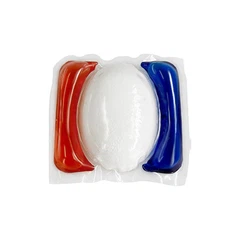

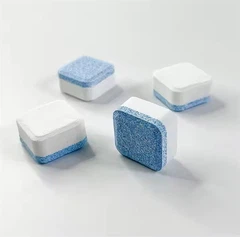


Descaling tablets are a popular solution for removing limescale and other mineral deposits from various household appliances. But can they be used in evaporators? As a descaling tablet supplier, I've been asked this question quite often. In this blog post, I'll explore the feasibility of using descaling tablets in evaporators, the potential benefits, and some important considerations.
Understanding Evaporators
Evaporators are essential components in many systems, including refrigeration units, air conditioning systems, and industrial processes. Their primary function is to convert a liquid into a vapor by absorbing heat. Over time, minerals present in the water used in these systems can accumulate on the evaporator's surfaces, forming limescale. This buildup can reduce the efficiency of the evaporator, increase energy consumption, and potentially lead to mechanical failures.
How Descaling Tablets Work
Descaling tablets typically contain acids or other chemical agents that react with limescale and break it down into soluble compounds. When dissolved in water, these tablets release active ingredients that can penetrate the limescale deposits, loosening them from the surfaces. The resulting solution can then be easily drained away, taking the dissolved limescale with it.


Can Descaling Tablets Be Used in Evaporators?
The short answer is yes, descaling tablets can be used in evaporators, but with some important caveats. The compatibility of descaling tablets with evaporators depends on several factors, including the type of evaporator, the materials used in its construction, and the specific formulation of the descaling tablets.
Compatibility with Evaporator Materials
Most descaling tablets are formulated to be safe for use with common materials found in household appliances, such as stainless steel, plastic, and glass. However, evaporators can be made from a variety of materials, including copper, aluminum, and specialized alloys. Before using a descaling tablet in an evaporator, it's crucial to check the manufacturer's instructions to ensure that the tablet is compatible with the materials used in the evaporator.
Some acids used in descaling tablets can be corrosive to certain metals, such as aluminum. Using an incompatible descaling tablet can cause damage to the evaporator, leading to leaks, reduced efficiency, and costly repairs. If you're unsure about the compatibility of a descaling tablet with your evaporator, it's best to consult the manufacturer or a professional technician.
Evaporator Design and Configuration
The design and configuration of the evaporator can also affect the effectiveness of descaling tablets. Some evaporators have complex internal structures or hard-to-reach areas where limescale can accumulate. In these cases, it may be necessary to use a descaling tablet with a more powerful formulation or to employ additional cleaning techniques, such as soaking or circulation, to ensure thorough descaling.
Additionally, some evaporators may have built-in filters or other components that can be damaged by descaling tablets. Before using a descaling tablet, it's important to remove any removable filters or components and clean them separately according to the manufacturer's instructions.
Benefits of Using Descaling Tablets in Evaporators
When used correctly, descaling tablets can offer several benefits for evaporators:
Improved Efficiency
By removing limescale deposits, descaling tablets can help restore the efficiency of the evaporator. Limescale acts as an insulator, reducing the transfer of heat between the refrigerant and the surrounding environment. This can cause the evaporator to work harder, increasing energy consumption and reducing cooling performance. Descaling the evaporator can help improve heat transfer, allowing the system to operate more efficiently.
Extended Lifespan
Regular descaling can help prevent the buildup of limescale and other mineral deposits, which can cause corrosion and damage to the evaporator over time. By keeping the evaporator clean, descaling tablets can help extend its lifespan and reduce the need for costly repairs or replacements.
Better Air Quality
In air conditioning systems, a dirty evaporator can harbor mold, bacteria, and other contaminants, which can be circulated throughout the indoor environment. Descaling the evaporator can help remove these contaminants, improving indoor air quality and reducing the risk of respiratory problems.
Choosing the Right Descaling Tablets for Evaporators
When choosing a descaling tablet for an evaporator, it's important to consider the following factors:
Compatibility
As mentioned earlier, make sure the descaling tablet is compatible with the materials used in the evaporator. Look for tablets that are specifically formulated for use with the type of evaporator you have, such as refrigeration evaporators or air conditioning evaporators.
Strength and Effectiveness
The strength of the descaling tablet will depend on the severity of the limescale buildup. For light limescale deposits, a mild descaling tablet may be sufficient. However, for heavy limescale buildup, you may need a more powerful tablet. Read the product labels carefully to determine the appropriate strength for your needs.
Safety
Choose descaling tablets that are safe to use and follow the manufacturer's instructions carefully. Some descaling tablets may contain chemicals that can be harmful if ingested or inhaled, so it's important to use them in a well-ventilated area and wear appropriate protective gear, such as gloves and goggles.
Here are some examples of descaling tablets that may be suitable for use in evaporators:
- Limescale Tablets for Kettle: These tablets are formulated to remove limescale from kettles, but they may also be effective for descaling evaporators made from compatible materials.
- Sage Descaling Tablets: Sage descaling tablets are designed for use with Sage appliances, but they may also be suitable for other types of evaporators. Check the product label for compatibility information.
- Bottle Bright Cleaning Tablets: These tablets are primarily used for cleaning bottles, but they may also be effective for descaling small evaporators or components.
How to Use Descaling Tablets in Evaporators
The specific steps for using descaling tablets in an evaporator will depend on the type of evaporator and the descaling tablet you're using. However, the general process typically involves the following steps:
- Turn off the system: Before starting the descaling process, make sure to turn off the evaporator and any associated equipment, such as the refrigeration unit or air conditioner. This will prevent any damage to the system and ensure your safety.
- Drain the system: If possible, drain any remaining water or refrigerant from the evaporator. This will help ensure that the descaling solution can come into direct contact with the limescale deposits.
- Prepare the descaling solution: Follow the manufacturer's instructions to prepare the descaling solution. This usually involves dissolving the descaling tablet in a specified amount of water.
- Apply the descaling solution: Pour the descaling solution into the evaporator, making sure to cover all the surfaces where limescale has accumulated. If necessary, use a brush or other tool to help distribute the solution evenly.
- Let the solution sit: Allow the descaling solution to sit in the evaporator for the recommended amount of time. This will give the active ingredients in the tablet enough time to break down the limescale deposits.
- Rinse the evaporator: After the recommended time has elapsed, drain the descaling solution from the evaporator and rinse it thoroughly with clean water. Make sure to remove all traces of the descaling solution to prevent any residual chemicals from causing damage to the evaporator or the system.
- Reassemble and test the system: Once the evaporator is clean and dry, reassemble any components that were removed and turn on the system. Check for any leaks or other issues and monitor the performance of the evaporator to ensure that it's working properly.
Conclusion
In conclusion, descaling tablets can be a useful tool for maintaining the efficiency and longevity of evaporators. However, it's important to choose the right descaling tablet for your evaporator, follow the manufacturer's instructions carefully, and take appropriate safety precautions. By doing so, you can effectively remove limescale deposits from your evaporator and enjoy the benefits of a clean and efficient system.
If you're interested in purchasing descaling tablets for your evaporator or have any questions about our products, please don't hesitate to contact us. We're here to help you find the best descaling solution for your needs and ensure the optimal performance of your evaporator.
References
- Manufacturer's instructions for descaling tablets and evaporators
- Industry standards and guidelines for descaling and maintenance of evaporators
- Technical literature and research on the effects of limescale on evaporator performance