

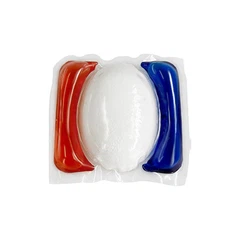
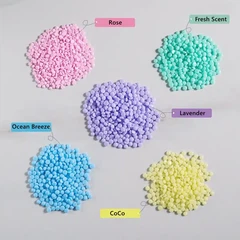

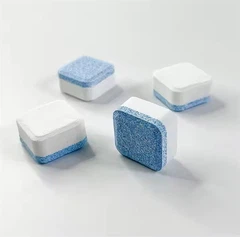


Can descaling tablets be used in aquariums? This is a question that many aquarium enthusiasts and professional aquarists often ponder. As a supplier of descaling tablets, I have encountered numerous inquiries regarding the compatibility of our products with aquarium environments. In this blog, I will delve into the science behind descaling tablets, their potential impacts on aquariums, and whether they can be safely used.
Understanding Descaling Tablets
Descaling tablets are designed to remove limescale, rust, and other mineral deposits from various appliances and surfaces. They typically contain active ingredients such as citric acid, phosphoric acid, or other mild acids that dissolve the stubborn deposits. These tablets are commonly used in kettles, coffee makers, and other household appliances to maintain their efficiency and longevity.
We offer a range of descaling tablets, including Bottle Bright Cleaning Tablets, Sage Descaling Tablets, and Kettle Descaler Tablets. Each product is formulated to target specific types of deposits and is suitable for different applications.


The Aquarium Environment
Aquariums are delicate ecosystems that require a stable and balanced environment to support the health and well - being of the aquatic life. The water chemistry in an aquarium, including parameters such as pH, hardness, and the presence of toxins, is crucial for the survival of fish, plants, and other organisms.
Limescale and mineral deposits can accumulate in aquariums over time, especially in areas with hard water. These deposits can affect the appearance of the aquarium, clog filters, and potentially disrupt the water flow. However, the use of descaling tablets in an aquarium is not as straightforward as in other household appliances.
Potential Risks of Using Descaling Tablets in Aquariums
- Chemical Composition: The active ingredients in descaling tablets, such as acids, can significantly alter the pH of the aquarium water. A sudden change in pH can be extremely stressful for fish and other aquatic organisms, leading to health problems, including respiratory issues, skin irritation, and even death.
- Toxicity: Some descaling tablets may contain additional chemicals or additives that are toxic to aquatic life. These substances can accumulate in the water and have long - term negative effects on the aquarium ecosystem.
- Impact on Beneficial Bacteria: Aquariums rely on beneficial bacteria to break down waste and maintain water quality. Descaling tablets can kill these beneficial bacteria, disrupting the nitrogen cycle and leading to a build - up of harmful ammonia and nitrite in the water.
Safe Alternatives for Aquarium Maintenance
- Manual Cleaning: Regular manual cleaning of the aquarium, including scrubbing the glass, removing debris, and cleaning the filter, can help prevent the build - up of limescale and other deposits. This method is time - consuming but is the safest way to maintain the aquarium without introducing potentially harmful chemicals.
- Water Changes: Frequent water changes can help dilute the concentration of minerals in the water and reduce the formation of limescale. It is recommended to use dechlorinated water and to match the temperature and pH of the new water to the existing aquarium water.
- Natural Descaling Agents: Some natural substances, such as vinegar, can be used in small amounts to remove limescale from aquarium equipment. However, it is important to rinse the equipment thoroughly before returning it to the aquarium to avoid any residual vinegar affecting the water chemistry.
When Descaling Tablets Might Be Considered
In some cases, descaling tablets may be used in aquariums, but only with extreme caution. If the aquarium equipment, such as a heater or a filter, has a severe limescale build - up that cannot be removed by other means, the equipment can be removed from the aquarium and descaled separately.
- Isolate the Equipment: Remove the affected equipment from the aquarium and place it in a separate container filled with water.
- Use a Suitable Descaling Tablet: Select a descaling tablet that is free from toxic additives and has a relatively mild chemical composition. Follow the manufacturer's instructions carefully regarding the dosage and soaking time.
- Rinse Thoroughly: After descaling, rinse the equipment thoroughly with clean water to remove any traces of the descaling agent. Allow the equipment to dry completely before returning it to the aquarium.
Conclusion
In general, the use of descaling tablets in aquariums is not recommended due to the potential risks they pose to the aquatic life and the delicate balance of the ecosystem. However, as a descaling tablet supplier, I understand that there may be situations where descaling is necessary for aquarium equipment. In such cases, it is crucial to take all the necessary precautions to ensure the safety of the aquarium inhabitants.
If you have any questions about our descaling tablets or need advice on aquarium maintenance, please feel free to contact us. We are always happy to assist you in finding the most suitable solutions for your needs. Whether you are looking for a product to clean your kettle or need to address a limescale issue in your aquarium equipment, we have a range of high - quality descaling tablets to meet your requirements. Let's start a conversation about your descaling needs and explore the best options together.
References
- "The Complete Aquarium Handbook" by Dr. Greg Lewbart
- "Aquarium Water Chemistry: The Practical Guide" by Robert Metelsky