




Can denture cleaner damage my dentures?
As a supplier of denture cleaner, I often encounter this question from customers. It's a valid concern, as dentures are an investment, both financially and in terms of the impact they have on one's quality of life. In this blog post, I'll delve into the science behind denture cleaners and whether they can potentially damage your dentures.
Understanding Dentures and Their Composition
Before we discuss the effects of denture cleaners, it's important to understand what dentures are made of. Most dentures are crafted from acrylic resin, a durable and lightweight material. Some may also have metal components, such as clasps, which are used to hold the dentures in place.


Acrylic resin is relatively resistant to many substances, but it can be affected by harsh chemicals and extreme temperatures. Metal components, on the other hand, can corrode if exposed to certain cleaning agents over time.
How Denture Cleaners Work
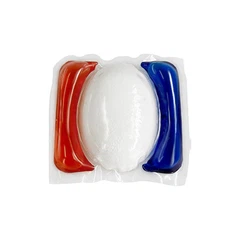
Denture cleaners are designed to remove plaque, stains, and bacteria from dentures. They come in various forms, including tablets, liquids, and powders. Most denture cleaners work through a combination of chemical reactions and mechanical action.
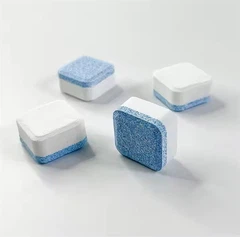
Tablets, for example, typically contain effervescent agents that create bubbles when dissolved in water. These bubbles help to dislodge debris from the surface of the dentures. They may also contain antibacterial agents to kill harmful bacteria and enzymes to break down organic matter.
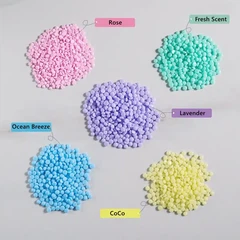
Liquids and powders often contain similar active ingredients, but they may be formulated differently. Some liquid cleaners are designed to be used as a soak, while others can be used for brushing.
Can Denture Cleaners Damage Dentures?
The short answer is that, when used correctly, denture cleaners should not damage your dentures. However, there are some factors that can increase the risk of damage.
Harsh Chemicals
Some denture cleaners contain strong chemicals, such as bleach or hydrogen peroxide. While these chemicals can be effective at removing stains, they can also be damaging to the acrylic resin if used in high concentrations or for extended periods.
Bleach, for example, can cause the acrylic to become brittle and discolored over time. Hydrogen peroxide, on the other hand, can break down the surface of the denture, making it more porous and prone to staining.
To avoid damage from harsh chemicals, it's important to choose a denture cleaner that is specifically formulated for your type of dentures. Look for products that are labeled as "gentle" or "non-abrasive." You should also follow the manufacturer's instructions carefully and avoid using more cleaner than recommended.
Incorrect Usage
Another common cause of denture damage is incorrect usage of the cleaner. For example, soaking dentures for too long can cause the acrylic to swell and warp. Brushing dentures too vigorously with a hard-bristled brush can also scratch the surface of the denture, making it more difficult to clean and increasing the risk of bacteria buildup.
To prevent damage from incorrect usage, always follow the instructions on the denture cleaner packaging. Soak dentures for the recommended amount of time, and use a soft-bristled brush to gently clean the surface. Avoid using hot water, as this can also cause the acrylic to warp.
Compatibility with Metal Components
If your dentures have metal components, such as clasps, it's important to choose a denture cleaner that is compatible with these materials. Some cleaners can cause metal to corrode, which can weaken the clasps and make the dentures less secure.
Look for denture cleaners that are labeled as "safe for metal." These products are formulated to be gentle on metal components while still effectively cleaning the rest of the denture.
Benefits of Using a Denture Cleaner
Despite the potential risks, using a denture cleaner is essential for maintaining the health and longevity of your dentures. Here are some of the benefits of using a denture cleaner:
Improved Oral Health
Dentures can harbor bacteria, plaque, and food particles, which can lead to bad breath, gum disease, and other oral health problems. Using a denture cleaner regularly can help to remove these contaminants and keep your mouth clean and healthy.
Extended Lifespan of Dentures
Proper cleaning and maintenance can help to extend the lifespan of your dentures. By removing stains and debris, a denture cleaner can prevent the acrylic from becoming discolored and brittle. This can help to keep your dentures looking and feeling like new for longer.
Enhanced Comfort
Clean dentures fit better and are more comfortable to wear. By removing plaque and debris, a denture cleaner can help to prevent irritation and soreness in the mouth.
Choosing the Right Denture Cleaner
With so many denture cleaners on the market, it can be difficult to choose the right one for your needs. Here are some factors to consider when choosing a denture cleaner:
Type of Dentures
As mentioned earlier, different types of dentures may require different types of cleaners. If you have dentures with metal components, make sure to choose a cleaner that is safe for metal. If you have sensitive gums, look for a cleaner that is gentle and non-abrasive.
Cleaning Method
Consider how you prefer to clean your dentures. Some people prefer to soak their dentures in a cleaner, while others prefer to brush them. Choose a cleaner that is compatible with your preferred cleaning method.
Active Ingredients
Look for a denture cleaner that contains active ingredients that are effective at removing stains, bacteria, and plaque. Some common active ingredients include sodium percarbonate, enzymes, and antibacterial agents.
Brand Reputation
Choose a denture cleaner from a reputable brand. Look for products that have been tested and approved by dental professionals. You can also read reviews from other customers to get an idea of the effectiveness and safety of the product.
Conclusion
In conclusion, when used correctly, denture cleaners should not damage your dentures. However, it's important to choose a cleaner that is specifically formulated for your type of dentures and to follow the manufacturer's instructions carefully. By using a denture cleaner regularly, you can improve your oral health, extend the lifespan of your dentures, and enhance your comfort.
If you're looking for a high-quality denture cleaner, I recommend checking out our False Teeth Cleaning Solution. Our cleaner is gentle, yet effective at removing stains, bacteria, and plaque. It's also safe for use with all types of dentures, including those with metal components.
If you have any questions or would like to learn more about our denture cleaners, please don't hesitate to contact us. We're here to help you find the best solution for your denture cleaning needs.
References
- ADA Council on Scientific Affairs. (2019). Evidence-based clinical practice guideline for denture care. Journal of the American Dental Association, 150(11), 931-943.
- American College of Prosthodontists. (2020). Prosthodontic patient care: A primer. Chicago, IL: American College of Prosthodontists.
- National Institute on Aging. (2021). Caring for your dentures. Retrieved from https://www.nia.nih.gov/health/caring-your-dentures