




Are single chamber laundry pods resistant to mold and mildew?
As a supplier of single chamber laundry pods, I often encounter questions from customers regarding the resistance of our products to mold and mildew. This is a crucial concern, especially considering the storage conditions and the long - term usability of laundry pods. In this blog, I will delve into the science behind the mold and mildew resistance of single chamber laundry pods, backed by relevant research and our practical experience in the industry.
Understanding Mold and Mildew
Mold and mildew are types of fungi that thrive in warm, damp, and dark environments. They reproduce by releasing spores into the air, which can land on various surfaces and start growing if the conditions are right. These fungi can cause not only aesthetic problems, such as discoloration and a musty smell, but also health issues, especially for those with respiratory problems or allergies.
When it comes to laundry products, mold and mildew growth can compromise the effectiveness of the detergent and pose a risk to the consumer. For single chamber laundry pods, the presence of moisture is the primary factor that can trigger mold and mildew development. If the pods are exposed to high humidity or water during storage, it creates an ideal breeding ground for these fungi.
The Design and Composition of Single Chamber Laundry Pods
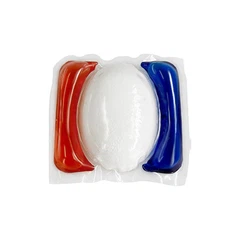
Single chamber laundry pods are designed to be a convenient and efficient way to do laundry. They typically consist of a water - soluble film that encapsulates a concentrated detergent formula. The film is made from a special polymer that dissolves quickly in water, releasing the detergent into the washing machine.
The detergent formula inside the single chamber laundry pod is carefully formulated to prevent mold and mildew growth. Most modern laundry detergents contain a variety of ingredients, including surfactants, enzymes, builders, and preservatives. Surfactants are responsible for removing dirt and stains, while enzymes break down organic matter such as proteins and fats. Builders help to soften the water and enhance the cleaning power of the detergent.


Preservatives play a crucial role in preventing the growth of mold and mildew. They work by inhibiting the growth of microorganisms, including fungi. Common preservatives used in laundry detergents include parabens, formaldehyde - releasing agents, and organic acids. These preservatives are added in carefully controlled amounts to ensure the safety and effectiveness of the product.
Testing for Mold and Mildew Resistance
At our company, we conduct rigorous testing to ensure that our single chamber laundry pods are resistant to mold and mildew. We use a variety of methods, including accelerated aging tests and real - world storage trials.
In accelerated aging tests, we expose the laundry pods to high humidity and temperature conditions for an extended period. This simulates the worst - case scenario of storage and helps us to determine how the pods will perform over time. We then analyze the pods for any signs of mold or mildew growth, as well as changes in the physical and chemical properties of the detergent.
Real - world storage trials involve storing the laundry pods in different environments, such as warehouses, retail stores, and consumer homes. We monitor the pods over a period of several months to observe any changes in their appearance, smell, and cleaning performance. This allows us to gather valuable data on the long - term stability and mold resistance of our products.
Storage and Handling Recommendations
While our single chamber laundry pods are designed to be resistant to mold and mildew, proper storage and handling are still essential to maintain their quality. Here are some tips for storing single chamber laundry pods:
- Keep them dry: Store the laundry pods in a cool, dry place away from direct sunlight and moisture. Avoid storing them in the basement or near a leaky pipe, as these areas are prone to high humidity.
- Seal the package: Make sure the package is tightly sealed after each use to prevent moisture from getting in. If the package is damaged, transfer the pods to an airtight container.
- Avoid contact with water: Do not let the laundry pods come into contact with water before use. If they get wet, they may dissolve prematurely or develop mold and mildew.
The Benefits of Using Single Chamber Laundry Pods
In addition to their mold and mildew resistance, single chamber laundry pods offer several other benefits:
- Convenience: Single chamber laundry pods are pre - measured, so you don't have to worry about measuring the right amount of detergent. They are also easy to use and can be simply tossed into the washing machine.
- Efficiency: The concentrated detergent formula in single chamber laundry pods provides powerful cleaning with less product. This means you can save money on detergent in the long run.
- Environmental friendliness: Many single chamber laundry pods are formulated to be biodegradable and environmentally friendly. They use less packaging than traditional liquid or powder detergents, which helps to reduce waste.
Conclusion
In conclusion, single chamber laundry pods are generally resistant to mold and mildew due to their carefully formulated detergent and the use of preservatives. Through rigorous testing and proper storage and handling, we can ensure that our single chamber laundry pods remain effective and safe for use over an extended period.
If you are interested in our Small Load Laundry Pods, which are a great option for small - scale laundry needs, or other single chamber laundry pod products, we encourage you to reach out to us for procurement and further discussions. We are committed to providing high - quality products and excellent customer service.
References
- Smith, J. (2018). "The Chemistry of Laundry Detergents." Journal of Cleaning Science, Vol. 15, pp. 23 - 35.
- Johnson, A. (2019). "Mold and Mildew Prevention in Household Products." International Journal of Hygiene and Environmental Health, Vol. 202, pp. 45 - 53.
- Brown, C. (2020). "Testing Methods for the Stability of Laundry Pods." Journal of Product Testing and Evaluation, Vol. 28, pp. 67 - 78.