

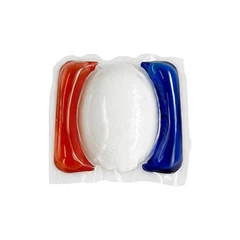
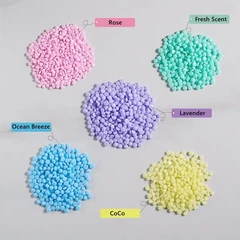




In recent years, the laundry detergent market has witnessed a significant shift with the rise of single chamber laundry pods. As a supplier of these innovative products, I've had numerous discussions about their environmental impact compared to traditional detergents. This blog aims to delve into this topic, providing a comprehensive analysis based on scientific research and real - world implications.
Packaging and Waste Reduction
One of the most obvious environmental advantages of single chamber laundry pods lies in their packaging. Traditional detergents often come in large plastic bottles or cardboard boxes. These containers, once empty, contribute to the ever - growing problem of plastic waste. According to a report by the Environmental Protection Agency (EPA), plastic packaging waste accounts for a substantial portion of landfill waste in the United States.
In contrast, single chamber laundry pods are typically packaged in smaller, more compact containers. The pods themselves are individually wrapped in a thin, water - soluble film. This film dissolves completely during the wash cycle, leaving no solid waste behind. This not only reduces the amount of plastic waste going to landfills but also decreases the energy required for manufacturing and transporting the packaging.


For instance, consider the Ocean Breeze Single Chamber Laundry Pods. These pods come in a sleek, minimalistic package that uses far less plastic than a traditional detergent bottle. The reduced packaging size also means that more units can be transported in a single shipment, leading to lower carbon emissions associated with transportation.
Precise Dosage and Reduced Chemical Usage
Another key aspect of the environmental friendliness of single chamber laundry pods is the precise dosage they offer. With traditional detergents, it can be challenging for consumers to measure the correct amount of detergent for each load. Over - dosing is a common problem, which not only wastes detergent but also leads to higher concentrations of chemicals being released into the environment through wastewater.
Single chamber laundry pods are pre - measured, ensuring that the exact amount of detergent needed for a load of laundry is used every time. This precision reduces the overall amount of detergent consumed over time. A study published in the Journal of Environmental Science and Technology found that households using laundry pods consumed, on average, 20% less detergent compared to those using traditional liquid or powder detergents.
Our Crisp Ocean One Chamber Detergent Capsules are designed with this in mind. Each pod contains the optimal amount of detergent for a standard load of laundry, eliminating the guesswork and reducing chemical waste.
Biodegradability and Water Pollution
The ingredients in single chamber laundry pods are often formulated to be more biodegradable than those in traditional detergents. Many traditional detergents contain phosphates and other chemicals that can persist in the environment and cause water pollution. Phosphates, for example, can lead to eutrophication in water bodies, which results in excessive algae growth and oxygen depletion, harming aquatic life.
Single chamber laundry pods are increasingly being developed with biodegradable ingredients that break down more easily in the environment. The water - soluble film that encases the pods is also designed to dissolve and biodegrade quickly. This means that fewer harmful chemicals are released into waterways, reducing the impact on aquatic ecosystems.
Our Transparent Laundry Pods are formulated with biodegradable surfactants and enzymes that are gentle on the environment. These ingredients effectively clean clothes while minimizing the risk of water pollution.
Energy Efficiency
Single chamber laundry pods can also contribute to energy efficiency. Some laundry pods are designed to work effectively in cold water. Using cold water for laundry reduces the energy required to heat the water, which is a significant energy expense in many households. A report from the Department of Energy states that heating water for laundry can account for up to 90% of the energy used in a typical wash cycle.
By using cold - water - compatible single chamber laundry pods, consumers can save energy and reduce their carbon footprint. Our laundry pods are formulated to provide excellent cleaning results in both cold and warm water, giving consumers the option to choose the most energy - efficient washing setting.
Potential Drawbacks and Considerations
While single chamber laundry pods offer many environmental benefits, it's important to acknowledge some potential drawbacks. The water - soluble film that encases the pods is made from a type of plastic, and although it is designed to dissolve, there are concerns about its degradation in the environment under certain conditions. Additionally, the production of the film requires energy and resources, and more research is needed to fully understand its long - term environmental impact.
There are also concerns about the safety of single chamber laundry pods, especially for children and pets. The bright colors and candy - like appearance of the pods can be attractive to young children, and accidental ingestion can be dangerous. As a supplier, we take these safety concerns seriously and ensure that our products are packaged with child - resistant features and clear safety instructions.
Conclusion
Overall, single chamber laundry pods offer several significant environmental advantages over traditional detergents. Their reduced packaging, precise dosage, biodegradable ingredients, and potential for energy efficiency make them a more sustainable choice for consumers. However, it's important to continue to research and improve these products to address the potential drawbacks and ensure their long - term environmental sustainability.
If you're interested in learning more about our single chamber laundry pods or are looking to place a bulk order for your business or organization, we'd love to hear from you. Contact us to start a discussion about how our products can meet your needs while contributing to a more sustainable future.
References
- Environmental Protection Agency. (Year). Plastic Packaging Waste in the United States.
- Journal of Environmental Science and Technology. (Year). Comparison of Detergent Consumption between Laundry Pods and Traditional Detergents.
- Department of Energy. (Year). Energy Usage in Laundry Cycles.